




 English
 Français
 Deutsch
 Português
 Español
 русский
  한국어
한국어 العربية
 Italiano
 Indonesia
 Schweiz
 Polski
 Nederlands
 ישראל - עברית
 Perzisch
 ไทย
ไทย 日本語
日本語 ኢትዮ-አማርኛ
 Việt Nam
 Kiswahili
 Srpski
 Ελληνικά
 简体中文
简体中文
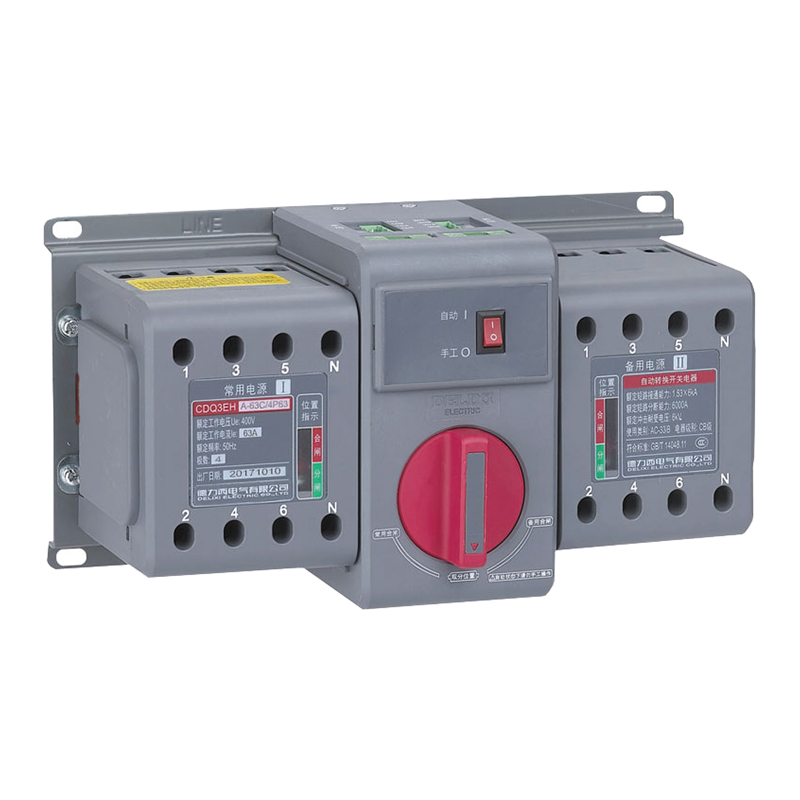
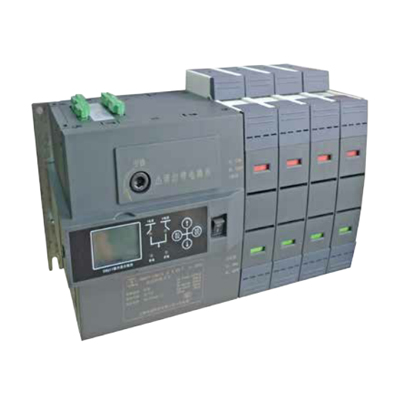
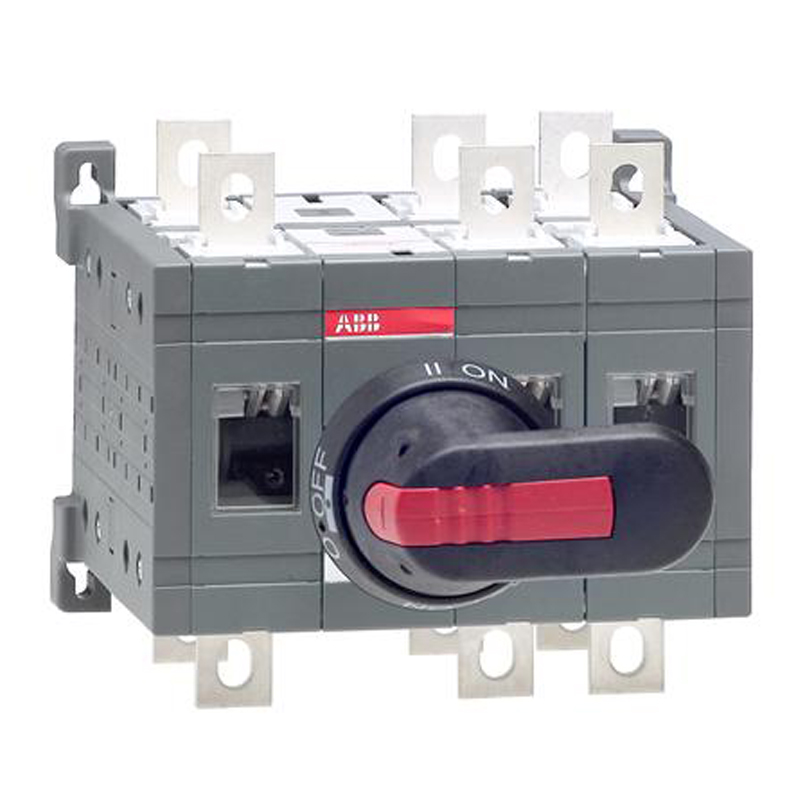
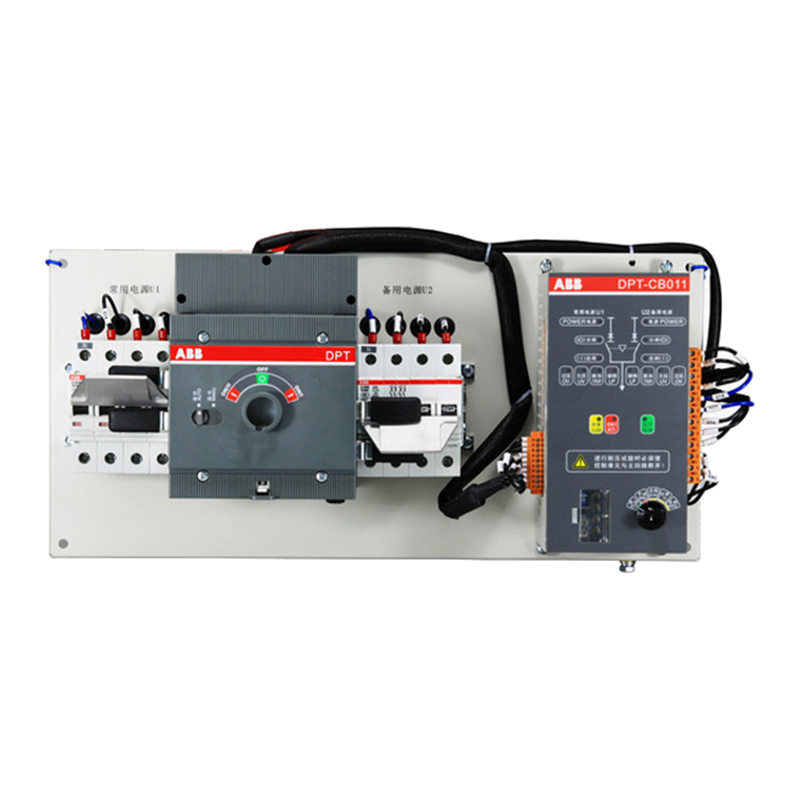
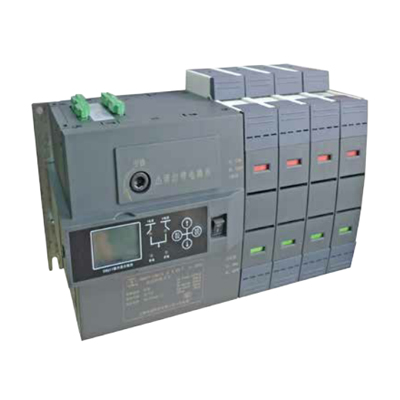
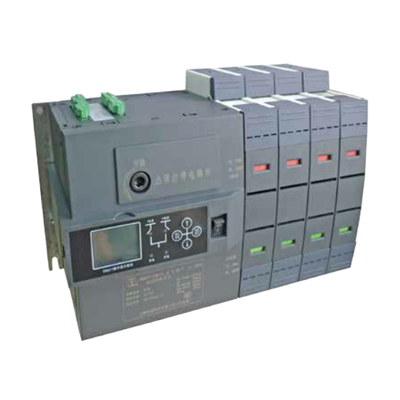
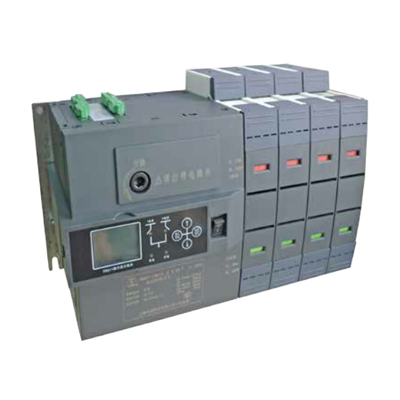
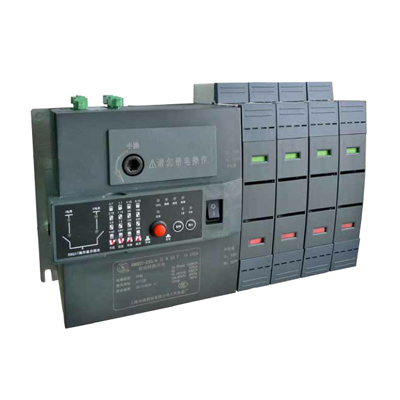
CS Switch CA1ZR-800L/4300B 800A Dual Power Supply
Brand:
Series:
CA1
Controller Type:
Intelligent
Power Supply Type:
Grid-Grid
Transfer Switch Type:
CB
Control Mode:
automatic
Operation Mode:
Self-investment and self-recovery
Control Voltage:
230VAC
Rated Current:
800A
Poles:
4P
Rated Voltage:
400/690VAC
Breaking Capacity:
65KA
Model:
CA1ZR-800L/4300B 800A with CM3
Order Number:
C0222214
Description:
Automatically switched, CB-level transfer switch, breaking capacity 65KA, number of poles 4P, rated voltage 400/690VAC, control voltage 230VAC
Product parameters
| Product attributes | Attribute value | Filter product attributes |
|---|---|---|
| Brand: | CS Switch | |
| Series: | CA1 | |
| Controller Type: | Intelligent | |
| Power Supply Type: | Grid-Grid | |
| Transfer Switch Type: | CB | |
| Control Mode: | automatic | |
| Operation Mode: | Self-investment and self-recovery | |
| Control Voltage: | 230VAC | |
| Rated Current: | 800A | |
| Poles: | 4P | |
| Rated Voltage: | 400/690VAC | |
| Breaking Capacity: | 65KA |
Products with the same attribute : 0
Show details
Series Overview
Series Overview
- CA1, CA1B, CA1W automatic transfer switch electrical appliances (hereinafter referred to as transfer switches) are a series of products launched by the company for the automatic switching from the power source end to the load end in the low - voltage power distribution system. They are divided into three major series:
- The CA1 series transfer switch electrical appliances, whose main circuit executive components are composed of two MCCBs and two electric operating mechanisms, have eight frame sizes: 63A, 100A, 160A, 225A, 250A, 400A, 630A, 800A. The rated working current ranges from 6A to 800A, and the rated working voltage is AC50Hz, 400V, 690V.
- The miniaturized CA1B series transfer switch electrical appliances, whose main circuit executive components are composed of two MCCBs and one electric operating mechanism, have four frame sizes: 63A, 100A, 250A, 400A. The rated working current ranges from 10A to 400A, and the rated working voltage is AC50Hz, 400V.
- The CA1W series transfer switch electrical appliances, whose main circuit executive components are composed of two or three ACBs, have four frame sizes: 1600A, 2500A, 4000A, 6300A. The rated working current ranges from 200A to 6300A, and the rated working voltage is AC50Hz, 400V.
- The transfer switch electrical appliances are classified into CB class and PC class. Among them, CA1 and CA1W are CB class, and CA1B has both CB class and PC class.
- The main circuit executive components of the transfer switch CA1 can optionally be CM2, CM2L, CM2Z, CM3, CM3L, CM3E, CM5, CM5Z, CM5L, CM5ZL eleven series of circuit breakers.
- The main circuit executive components of the transfer switch CA1B are ultra - thin CM3 - 63, CM3 - 100C, CM3 - 250C and CM3 - 400C/L/M/H circuit breakers.
- The main circuit executive components of the transfer switch CA1W are CW3 series universal - type circuit breakers.
- The transfer switch is suitable for the automatic switching between different power sources such as grid - grid, grid - generator, etc.
- The transfer switch CA1W not only has the automatic switching of two power sources, but also has the automatic switching of two power sources - bus coupling and three power sources.
- The transfer switch meets the following standards:
- GB/T14048.1 - 2012 Low - voltage switchgear and controlgear General rules
- GB/T14048.2 - 2008 Low - voltage switchgear and controlgear Circuit breakers
- GB/T14048.11 - 2016 Low - voltage switchgear and controlgear Multifunctional electrical equipment Transfer switch electrical appliances
Normal Working Conditions
- The ambient air temperature is - 5°C ~ + 40°C, and the average value within 24h does not exceed + 35°C; when CA1W is equipped with WT B2, WT T3, WT B3, WT T5 controllers, it can operate at - 25°C ~ + 70°C;
- The altitude of the installation site does not exceed 2000m;
- The relative humidity of the air at the installation site does not exceed 50% when the maximum temperature is + 40°C, and can be higher at lower temperatures, for example, it can reach 90% at 20°C. Special measures should be taken for condensation occasionally generated due to temperature changes;
- Pollution level is 3;
- Installation category: CA1 and CA1B are category III, CA1W is category IV;
- Applicable to electromagnetic environment A.
Excellent Features
- CA1 automatic transfer switch electrical appliance
- Double - cable operation, with flexible configuration of circuit breakers. It can be equipped with CM2, CM2L, CM2Z, CM3, CM3E, CM3L, CM5, CM5Z, CM5L, CM5ZL series of circuit breakers, inheriting the characteristics of high short - circuit breaking and making - capacity and high reliability of the CM series.
- Suitable for the switching between different power sources such as grid - grid, grid - generator, with manual, self - reset after power failure, self - reset without power failure (mutual standby), forced and other switching modes.
- Equipped with multiple types of controllers such as electronic type, intelligent type, intelligent communication type, which can provide functions such as undervoltage/overvoltage switching, delay setting, fire protection linkage, etc., to meet different user requirements.
- Has a double - split position, meeting the isolation requirements.
- Has 690V products, which can meet the application requirements of 690V systems.
Structural Introduction
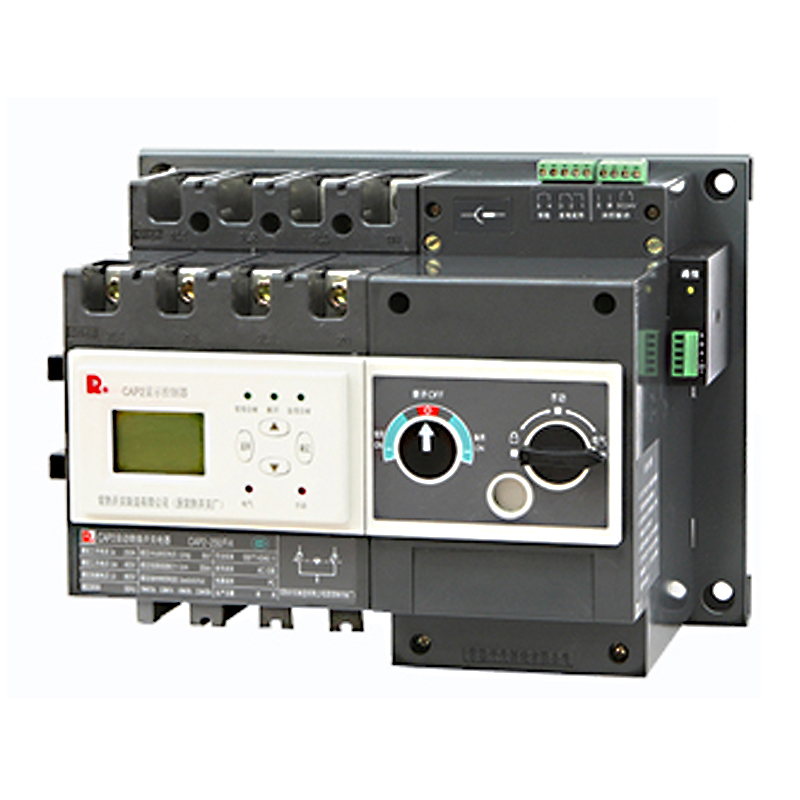
- The appearance of CA1 is as shown in the above figure, and it is composed of two major parts: the main body and the controller.
- The main body is composed of CM series circuit breakers with two electric operating mechanisms and accessories (auxiliary, alarm contacts), mechanical interlocking, a transfer device, and a power module (this module is available for products with 690V voltage). All components are installed on the base plate (the transfer device in split type is not installed on the base plate), and the mechanical interlocking mechanism is installed between the two circuit breakers.
- The controllers are divided into three major types: electronic type, intelligent type, and intelligent communication type, and are installed on the switch cabinet door panel; the installation base plate and the controller are both connected with 1.8m control cables (if exceeding 1.8m, users should note it when placing orders).

Rachel
Industrial Control Sales Specialist: Focuses on delivering high-performance, cost-effective industrial control products. Offers end-to-end one-stop procurement support—covering rapid quotation, streamlined order fulfillment, and responsive after-sales service—to simplify clients’ procurement processes.
Email: Anthony@icxsg.com
We offer competitive product pricing. For fast support, send your email, phone, address, and the product model & quantity you want—we’ll reach out quickly!
We typically respond via email within one business day! You can also contact us at Anthony@icxsg.com