






 English
 Français
 Deutsch
 Português
 Español
 русский
  한국어
한국어 العربية
 Italiano
 Indonesia
 Schweiz
 Polski
 Nederlands
 ישראל - עברית
 Perzisch
 ไทย
ไทย 日本語
日本語 ኢትዮ-አማርኛ
 Việt Nam
 Kiswahili
 Srpski
 Ελληνικά
 简体中文
简体中文Samsung Semiconductor
Results: 15
Brand
Internal Features
- 3D V-NAND management, advanced ECC, TRIM support
- e.MMC 5.1
- Samsung eMMC 5.1 controller;ECC;Wear Leveling;Bad Block Management;RPMB;Boot Partition support;Cache support;BKOPS;Secure Trim;HS400 interface;Automotive-grade storage
- Advanced V-NAND controller, secure erase, command queue engine
- Advanced garbage collection, ECC, wear leveling
- Enhanced ECC, V-NAND flash management, secure trim
- Internal ECC, intelligent wear leveling, cache acceleration
- Internal ECC, secure write protection, enhanced cache
- Internal ECC, wear leveling, garbage collection, boot partition support
- NAND management, ECC engine, secure trim, cache acceleration
- V-NAND controller, command queue, secure boot
- V-NAND flash management, secure erase, cache optimization
- Wear leveling, bad block management, internal ECC, cache buffer, secure erase
- Wear leveling, bad block remapping, command queue support
Random Read
Sequential Read
Pin Assignment
Package Type
Power Consumption Characteristics
- Active:ICC 104mA,ICCQ 108mA;Standby:ICC 36uA,ICCQ 400uA;Sleep:ICC 36uA,ICCQ 390uA
- Advanced low-power NAND controller
- Advanced low-power controller
- Advanced low-power standby mode
- Dynamic power management
- Dynamic voltage scaling support
- High-efficiency automotive/mobile eMMC; Sleep Mode、Power Classes、BKOPS
- Low active current, sleep mode support
- Low standby power with sleep mode
- Low-power V-NAND operation
- Low-power mobile eMMC with Sleep/Awake support and advanced power classes
- Optimized active/idle current
- Optimized sleep and active modes
- Ultra-low power standby and sleep
- Ultra-low standby current
Bus Width
Operating Temperature Range
Product
| Image | Brand | Title | Internal Features | Random Read | Sequential Read | Storage Capacity | Operating Temperature Range | Pin Assignment | Package Type | Power Consumption Characteristics | Operating Voltage | Speed Mode | Bus Width | Interface Standard |
|---|---|---|---|---|---|---|---|---|---|---|---|---|---|---|
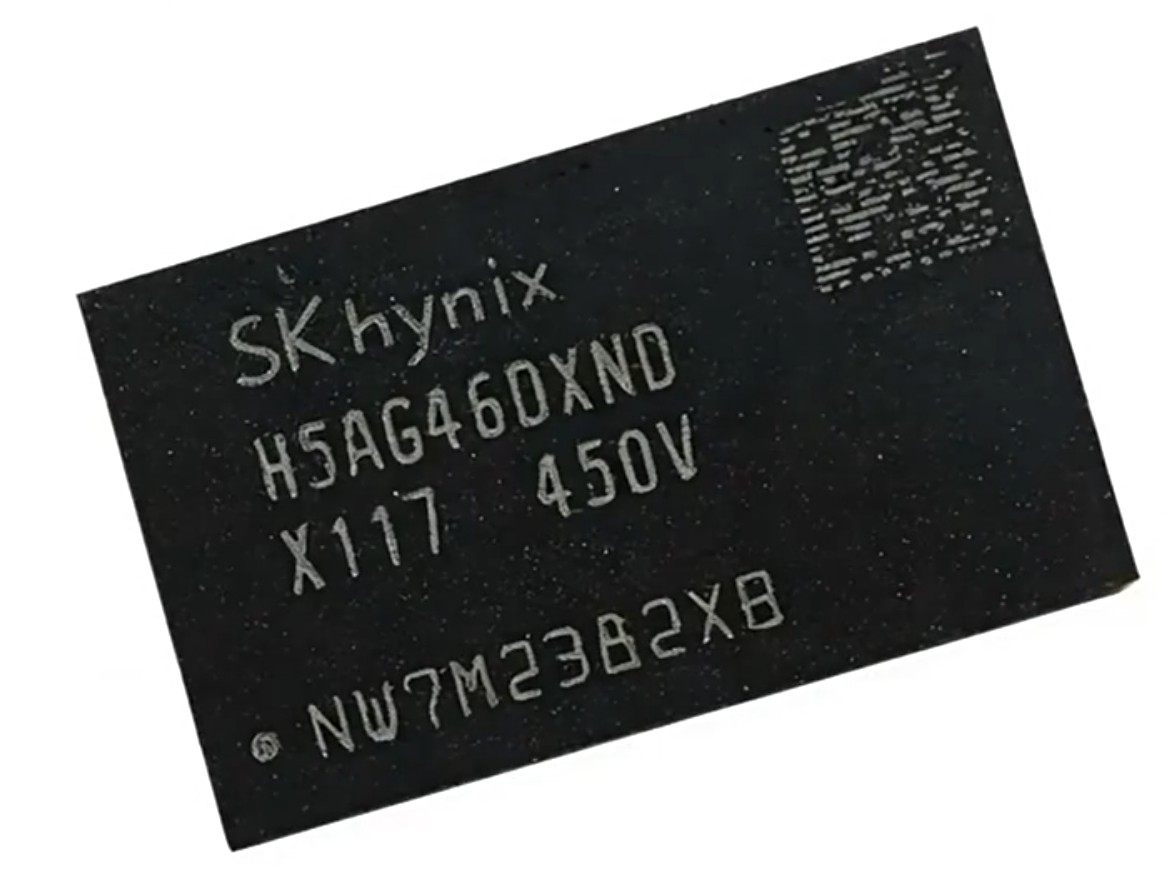 |
Samsung Semiconductor | KLMAG2GESD-B04Q | Samsung eMMC 5.1 controller;ECC;Wear Leveling;Bad Block Management;RPMB;Boot Partition support;Cache support;BKOPS;Secure Trim;HS400 interface;Automotive-grade storage | no information | no information | 16GB | -40°C to +105°C | JEDEC eMMC FBGA153 standard pinout | FBGA-153,11.5 × 13 × 0.8 mm | High-efficiency automotive/mobile eMMC; Sleep Mode、Power Classes、BKOPS | VCC: 2.7–3.6V;VCCQ: 1.7–1.95V / 2.7–3.6V | HS400 | 1-bit / 4-bit / 8-bit | e.MMC 5.1 |
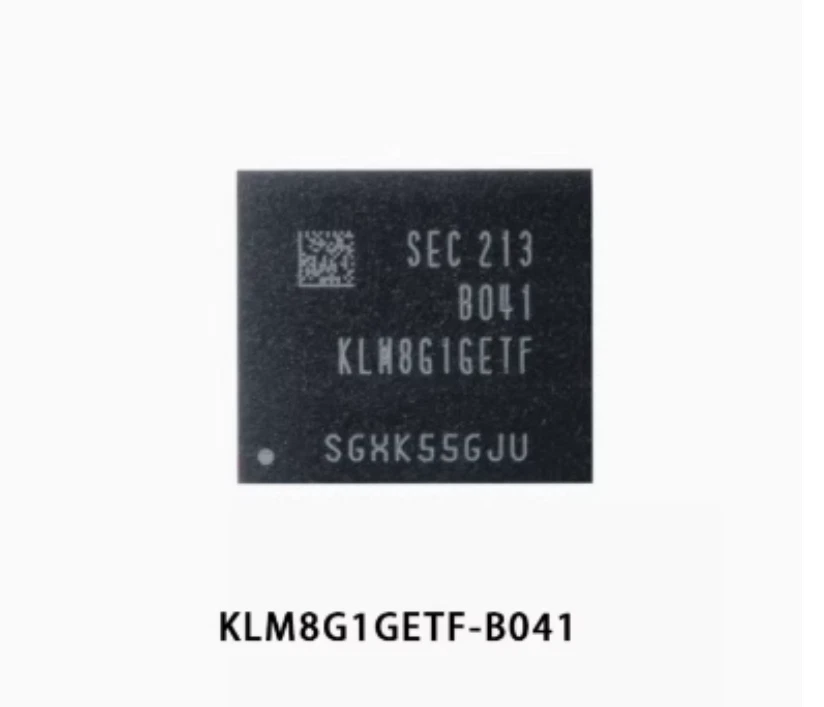 |
Samsung Semiconductor | KLM8G1GETF-B041 | e.MMC 5.1 | — | Up to 300 MB/s | 8GB | -25°C to +85°C | JEDEC eMMC FBGA153 standard pinout | FBGA-153,11.5 × 13 × 0.8 mm | Low-power mobile eMMC with Sleep/Awake support and advanced power classes | VCC: 2.7–3.6V;VCCQ: 1.7–1.95V / 2.7–3.6V | HS400 | 1-bit / 4-bit / 8-bit | e.MMC 5.1 |
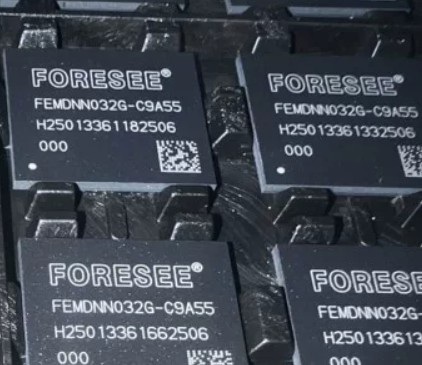 |
Samsung Semiconductor | FEMDNN032G-C9A55 | e.MMC 5.1 | — | Up to 346 MB/s | 32GB | Operating: -25°C to +85°C;Storage: -40°C to +85°C | JEDEC eMMC FBGA153 standard pinout | FBGA-153 | Active:ICC 104mA,ICCQ 108mA;Standby:ICC 36uA,ICCQ 400uA;Sleep:ICC 36uA,ICCQ 390uA | VCC: 2.7–3.6V;VCCQ: 1.7–1.95V / 2.7–3.6V | HS200 | 1-bit / 4-bit / 8-bit | e.MMC 5.1 |
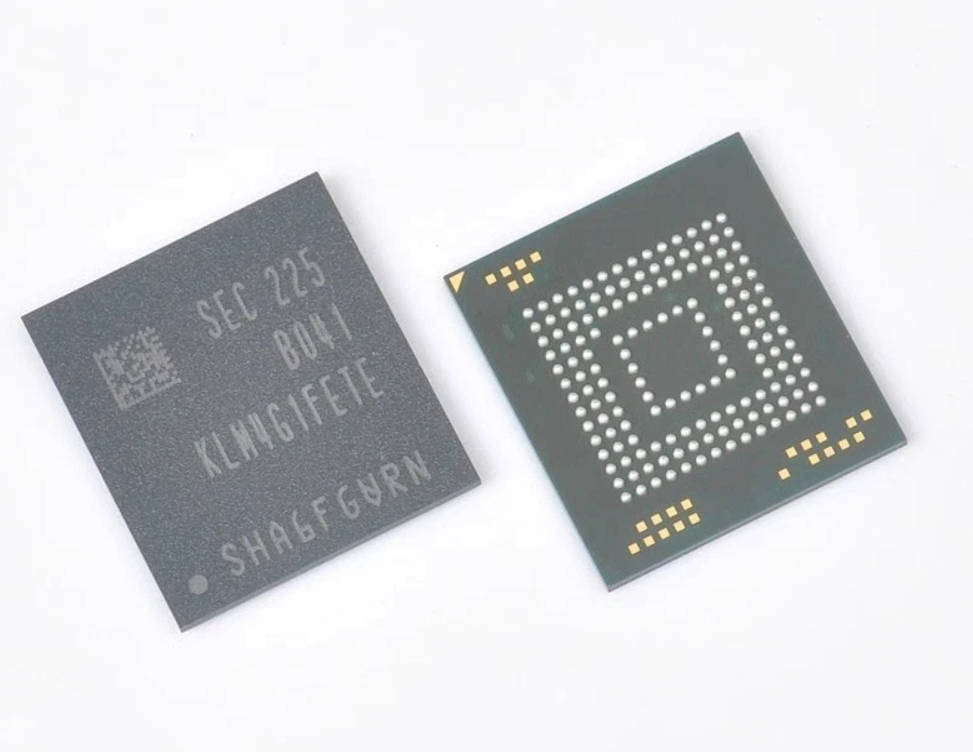 |
Samsung Semiconductor | KLMDG4UCTB-B041 | Advanced V-NAND controller, secure erase, command queue engine | Up to 16K IOPS | Read up to 320 MB/s | 256GB | -25°C to +85°C | 153-ball FBGA | FBGA | Ultra-low power standby and sleep | VCC=2.7–3.6V, VCCQ=1.8V | HS400 | x8 | eMMC 5.1 |
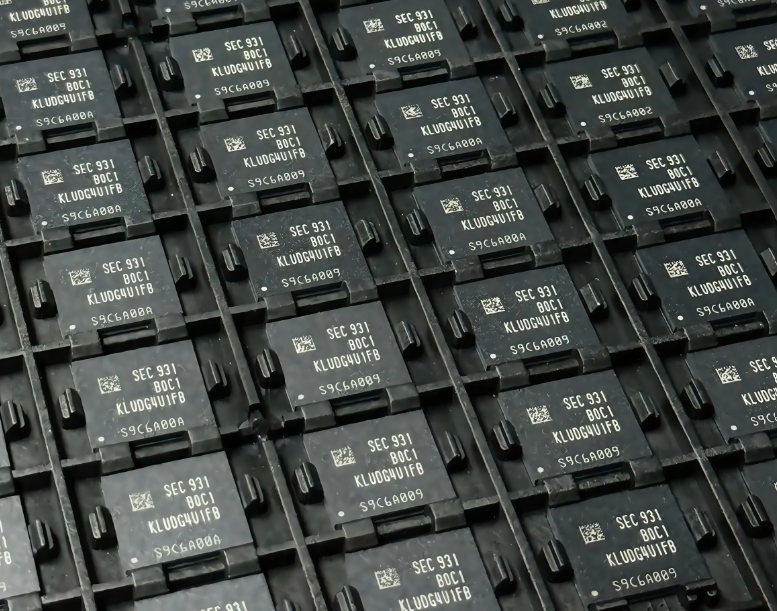 |
Samsung Semiconductor | KLMDG2RCTE-B041 | Internal ECC, intelligent wear leveling, cache acceleration | Up to 16K IOPS | Read up to 320 MB/s | 256GB | -25°C to +85°C | 153-ball FBGA | FBGA | Low-power V-NAND operation | VCC=2.7–3.6V, VCCQ=1.8V | HS400 | x8 | eMMC 5.1 |
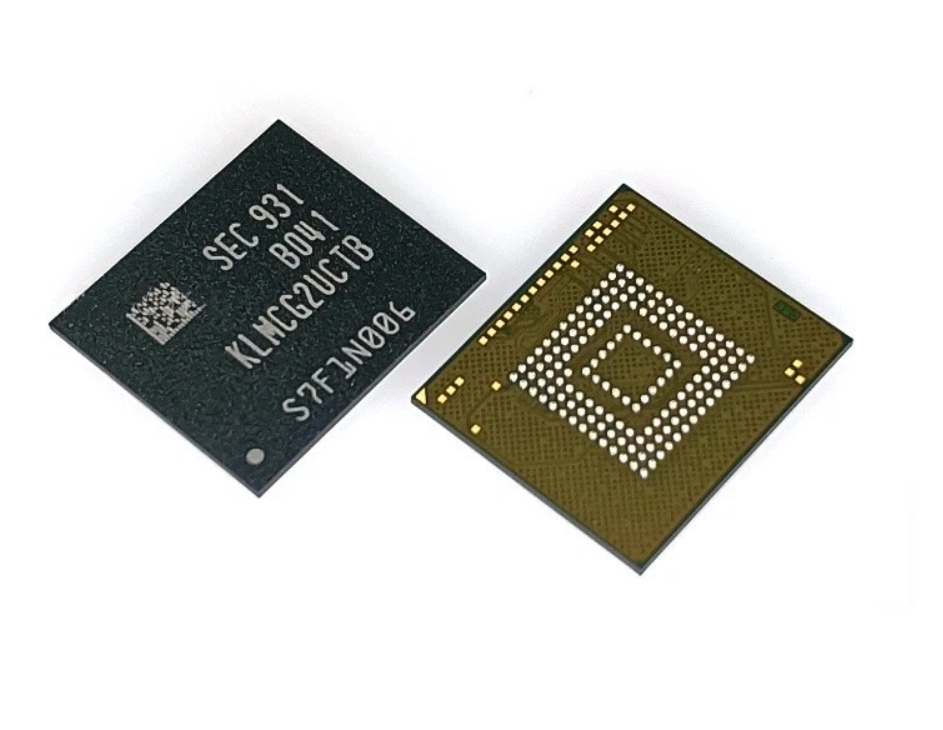 |
Samsung Semiconductor | KLMCG2UCTB-B041 | Enhanced ECC, V-NAND flash management, secure trim | Up to 15K IOPS | Read up to 320 MB/s | 128GB | -25°C to +85°C | 153-ball FBGA | FBGA | Advanced low-power controller | VCC=2.7–3.6V, VCCQ=1.8V | HS400 | x8 | eMMC 5.1 |
 |
Samsung Semiconductor | KLMCG1RCTE-B041 | V-NAND controller, command queue, secure boot | Up to 15K IOPS | Read up to 320 MB/s | 128GB | -25°C to +85°C | 153-ball FBGA | FBGA | Optimized sleep and active modes | VCC=2.7–3.6V, VCCQ=1.8V | HS400 | x8 | eMMC 5.1 |
|
|
Samsung Semiconductor | KLMBG4GEUF-B04Q | Advanced garbage collection, ECC, wear leveling | Up to 14K IOPS | Read up to 320 MB/s | 64GB | -25°C to +85°C | 153-ball FBGA | FBGA | Ultra-low standby current | VCC=2.7–3.6V, VCCQ=1.8V | HS400 | x8 | eMMC 5.1 |
|
|
Samsung Semiconductor | KLMBG2JETD-B041 | V-NAND flash management, secure erase, cache optimization | Up to 13K IOPS | Read up to 320 MB/s | 64GB | -25°C to +85°C | 153-ball FBGA | FBGA | Dynamic voltage scaling support | VCC=2.7–3.6V, VCCQ=1.8V | HS400 | x8 | eMMC 5.1 |
|
|
Samsung Semiconductor | KLMBG1UCTC-B041 | 3D V-NAND management, advanced ECC, TRIM support | Up to 12K IOPS | Read up to 320 MB/s | 64GB | -25°C to +85°C | 153-ball FBGA | FBGA | Advanced low-power NAND controller | VCC=2.7–3.6V, VCCQ=1.8V | HS400 | x8 | eMMC 5.1 |
|
|
Samsung Semiconductor | KLMAG2GEUF-B04Q | Internal ECC, secure write protection, enhanced cache | Up to 11K IOPS | Read up to 300 MB/s | 32GB | -25°C to +85°C | 153-ball FBGA | FBGA | Low standby power with sleep mode | VCC=2.7–3.6V, VCCQ=1.8V | HS400 | x8 | eMMC 5.1 |
|
|
Samsung Semiconductor | KLMAG1JETD-B041 | Wear leveling, bad block remapping, command queue support | Up to 10K IOPS | Read up to 300 MB/s | 16GB | -25°C to +85°C | 153-ball FBGA | FBGA | Optimized active/idle current | VCC=2.7–3.6V, VCCQ=1.8V | HS400 | x8 | eMMC 5.1 |
|
|
Samsung Semiconductor | KLMAG1JENB-B041 | NAND management, ECC engine, secure trim, cache acceleration | Up to 10K IOPS | Read up to 300 MB/s | 16GB | -25°C to +85°C | 153-ball FBGA | FBGA | Advanced low-power standby mode | VCC=2.7–3.6V, VCCQ=1.8V | HS400 | x8 | eMMC 5.1 |
|
|
Samsung Semiconductor | KLM8G1GEUF-B04Q | Internal ECC, wear leveling, garbage collection, boot partition support | Up to 8K IOPS | Read up to 250 MB/s | 8GB | -25°C to +85°C | 153-ball FBGA | FBGA | Dynamic power management | VCC=2.7–3.6V, VCCQ=1.7–1.95V | HS200 | x8 | eMMC 5.0 |
|
|
Samsung Semiconductor | KLM8G1GEUF-B04P | Wear leveling, bad block management, internal ECC, cache buffer, secure erase | Up to 7K IOPS | Read up to 250 MB/s | 8GB | -25°C to +85°C | 153-ball FBGA | FBGA | Low active current, sleep mode support | VCC=2.7–3.6V, VCCQ=1.7–1.95V | HS200 | x8 | eMMC 5.0 |