






 English
 Français
 Deutsch
 Português
 Español
 русский
  한국어
한국어 العربية
 Italiano
 Indonesia
 Schweiz
 Polski
 Nederlands
 ישראל - עברית
 Perzisch
 ไทย
ไทย 日本語
日本語 ኢትዮ-አማርኛ
 Việt Nam
 Kiswahili
 Srpski
 Ελληνικά
 简体中文
简体中文
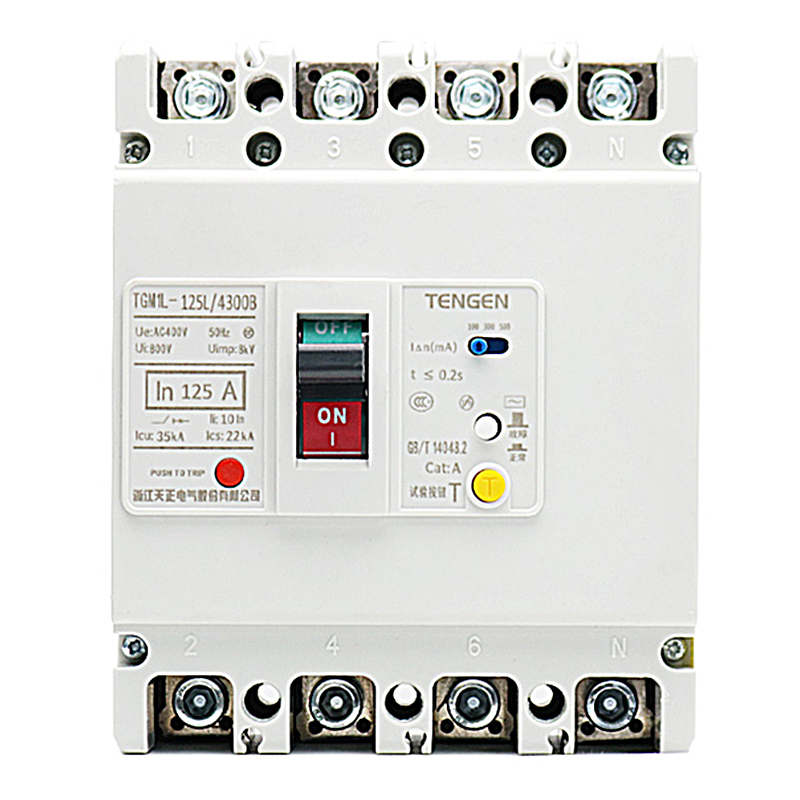
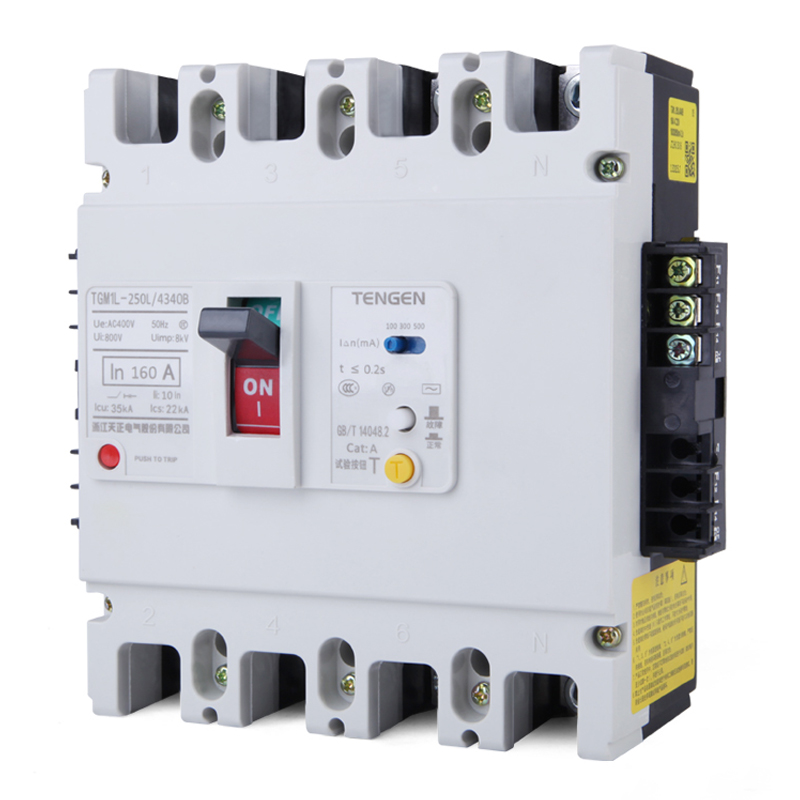
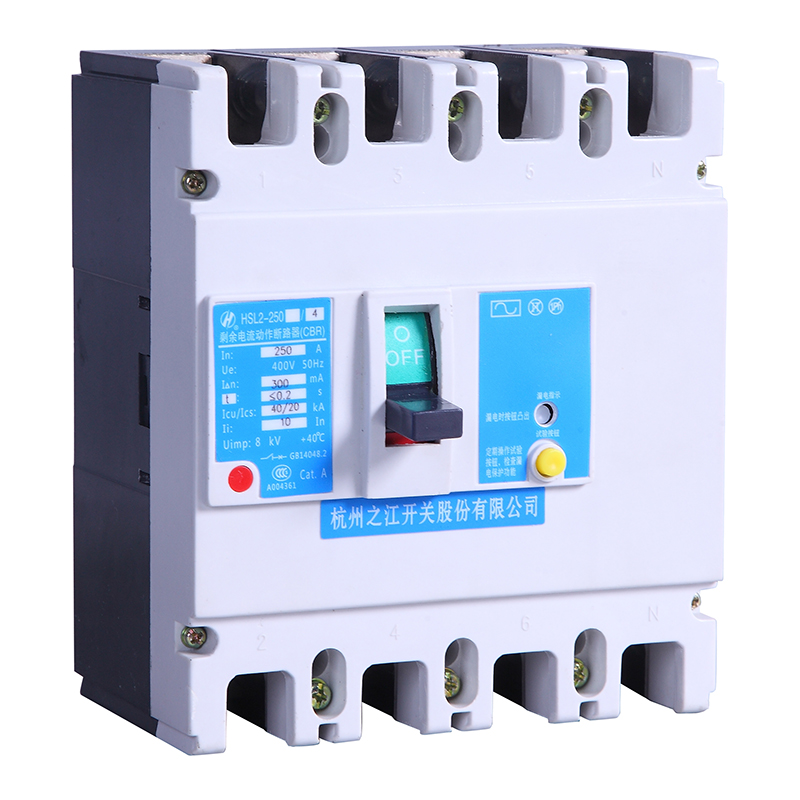
Huyu HYM1LY-125L/4340B 50A AC220V Molded Case Leakage Protection Circuit Breaker
Brand:
Series:
HYM1L
How It Works:
Manual
Frame Current:
125A
Protection Function:
LI
Wiring Method:
Front panel wiring
Poles:
4P
Installation:
Fixed
Breaking Capacity:
30KA
Model:
HYM1LY-125L/4340B 50A AC220V
Order Number:
1023200249
Description:
Huyu Molded Case Leakage Protection Circuit Breaker HYM1LY-125L/4340B 50A AC220V, Fixed, Manual, 30KA, Front Panel Wiring, 4P, Frame Current 125A
Product parameters
| Product attributes | Attribute value | Filter product attributes |
|---|---|---|
| Brand: | Huyu | |
| Series: | HYM1L | |
| How It Works: | Manual | |
| Frame Current: | 125A | |
| Protection Function: | LI | |
| Wiring Method: | Front panel wiring | |
| Poles: | 4P | |
| Installation: | Fixed | |
| Breaking Capacity: | 30KA |
Products with the same attribute : 0
Show details
Series Overview
Document:
• The HYM1L series residual current circuit breaker (hereinafter referred to as RCCB) is one of the new types of RCCBs designed and developed by our company using internationally advanced technology. This series is suitable for circuits with AC 50Hz, rated insulation voltage 800V, rated operational voltage 400V, and rated current up to 630A. It provides indirect contact protection against fatal electric shocks to persons, and may also be used to prevent fire hazards caused by earth fault currents resulting from equipment insulation damage. It can also provide protection against overload, short-circuit, and under-voltage in lines, and may serve for infrequent switching of circuits.
• This RCCB features a compact size (equal to the corresponding molded case circuit breaker), high breaking capacity, short arcing distance, and adjustable residual current operating time. It can also be equipped with accessories such as an alarm contact, shunt trip release, under-voltage release, auxiliary contact, rotary handle operating mechanism, and motor operating mechanism. It supports various wiring methods including front-mounting, rear-mounting, and plug-in types, making it an ideal product for users.
• The RCCB can be installed vertically (upright) or horizontally (sideways).
• This product complies with the GB14048.2 standard.
Normal Working Conditions
• The altitude at the installation site shall not exceed 2000m.
• The ambient air temperature ranges from -5°C to +40°C, with the average temperature over any 24-hour period not exceeding +35°C.
• The relative humidity of the atmosphere shall not exceed 50% at an ambient air temperature of +40°C. The monthly average maximum relative humidity of the wettest month is 90%, with the monthly average minimum temperature of that month being +20°C.
• Installation Category: III.
• Pollution Degree: 3.
• It shall be installed in a location without significant shaking or impact vibration.
• The magnetic field near the installation site in any direction shall not exceed 5 times the Earth's magnetic field.
• The RCCB should generally be installed vertically.
Structure and Operating Principle
• This series of RCCB is an electronic type, primarily composed of a zero-sequence current transformer, an electronic control residual current release, and a circuit breaker with overload and short-circuit protection. All components are housed within a plastic enclosure.
• When an earth leakage fault or electric shock occurs in the protected circuit, as long as the leakage current reaches the set residual operating current value, the output signal from the secondary winding of the zero-sequence current transformer triggers the thyristor to conduct. This energizes the residual current release, causing the RCCB to trip and open the circuit, thereby cutting off the power supply and providing earth leakage and electric shock protection.
• When an overload or short-circuit occurs in the protected circuit, the thermal-magnetic trip unit performs a delayed or instantaneous tripping action, causing the RCCB to operate, thus cutting off the power supply and providing overload or short-circuit protection.
Use and Maintenance
• Fix the RCCB vertically (use a Phillips screwdriver to avoid damaging the housing). Ensure the RCCB is intact in appearance and operates correctly under no-load conditions. Verify that the ratings of the RCCB and its accessories match the operating conditions at the installation site. Because the RCCB contains an electronic circuit board, it is strictly forbidden to measure the phase-to-phase insulation resistance between the outgoing terminals of the RCCB to avoid damaging the electronic components. If insulation testing must be performed, the following steps are mandatory:
- Use a 500V megohmmeter.
- Measure the insulation resistance between terminals 1-2, 3-4, and 5-6 with the RCCB in the OPEN position.
- Measure the insulation resistance between all main circuit terminals connected together and the enclosure (covered with metal foil) with the RCCB in the CLOSED position.
- The measured insulation resistance value shall not be less than 1.5MΩ.
• The power supply incoming lines must be connected to the top side of the RCCB, marked as "1, 3, 5, N". The load conductors (including the neutral conductor) must all pass through the RCCB, and the load neutral conductor must be insulated from earth.
• The handle of the RCCB can be in three positions: "ON", "OFF", and "TRIPPED". When the handle is in the "TRIPPED" position, push it towards the "OFF" direction to reset the circuit breaker before performing a "CLOSING" operation.
• If the RCCB trips due to a fault in the protected circuit, identify and eliminate the cause before attempting to close it again.
• The various characteristics of the RCCB and its accessories are preset by our company according to the order requirements and must not be adjusted arbitrarily during use.
• The rated residual operating current (IΔn) and the residual current operating time are set according to user needs (Note: The operating time for the HYM1L non-delay type is not adjustable; the operating time for the HYM1LY type is adjustable).
• After confirming that all items described in Chapter 2 "Normal Working Conditions" and the above sections of this chapter are correct, the circuit breaker can be closed and put into operation. During operation, the test button should be pressed at least once a month to verify the normal functioning of the RCCB's residual current protection.
Precautions
• The RCCB does not provide protection against the risk of electric shock when a person simultaneously touches both live conductors of the load. Users are advised to pay attention to electrical safety.
• Do not test the device by short-circuiting a phase conductor to earth, as this may affect the device's lifespan.
• Do not test the device by short-circuiting a phase conductor to earth, as this may affect the device's lifespan.

Rachel
Industrial Control Sales Specialist: Focuses on delivering high-performance, cost-effective industrial control products. Offers end-to-end one-stop procurement support—covering rapid quotation, streamlined order fulfillment, and responsive after-sales service—to simplify clients’ procurement processes.
Email: Anthony@icxsg.com
We offer competitive product pricing. For fast support, send your email, phone, address, and the product model & quantity you want—we’ll reach out quickly!
We typically respond via email within one business day! You can also contact us at Anthony@icxsg.com