






 English
 Français
 Deutsch
 Português
 Español
 русский
  한국어
한국어 العربية
 Italiano
 Indonesia
 Schweiz
 Polski
 Nederlands
 ישראל - עברית
 Perzisch
 ไทย
ไทย 日本語
日本語 ኢትዮ-አማርኛ
 Việt Nam
 Kiswahili
 Srpski
 Ελληνικά
 简体中文
简体中文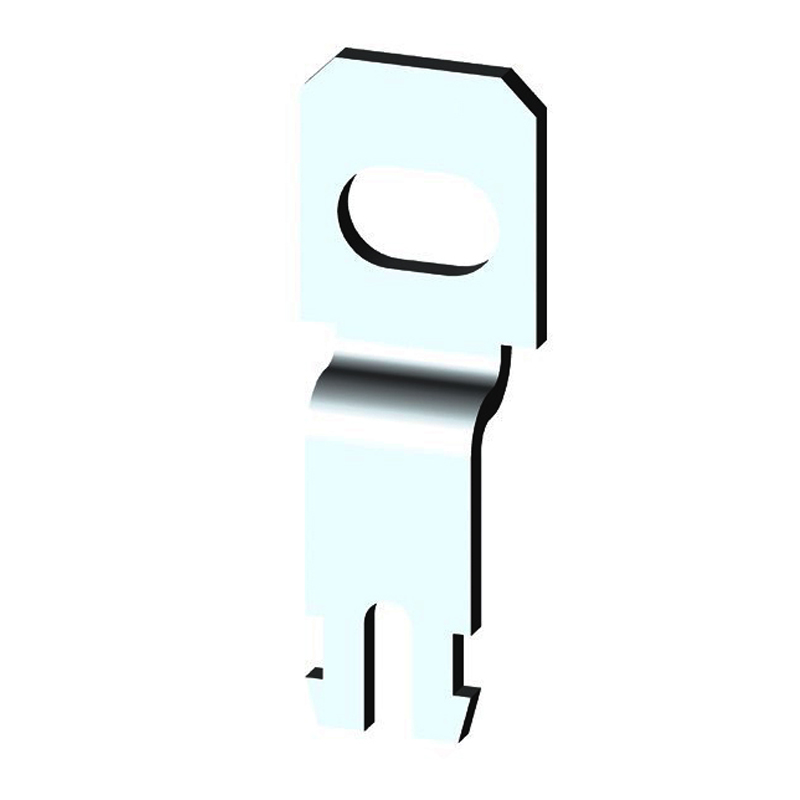
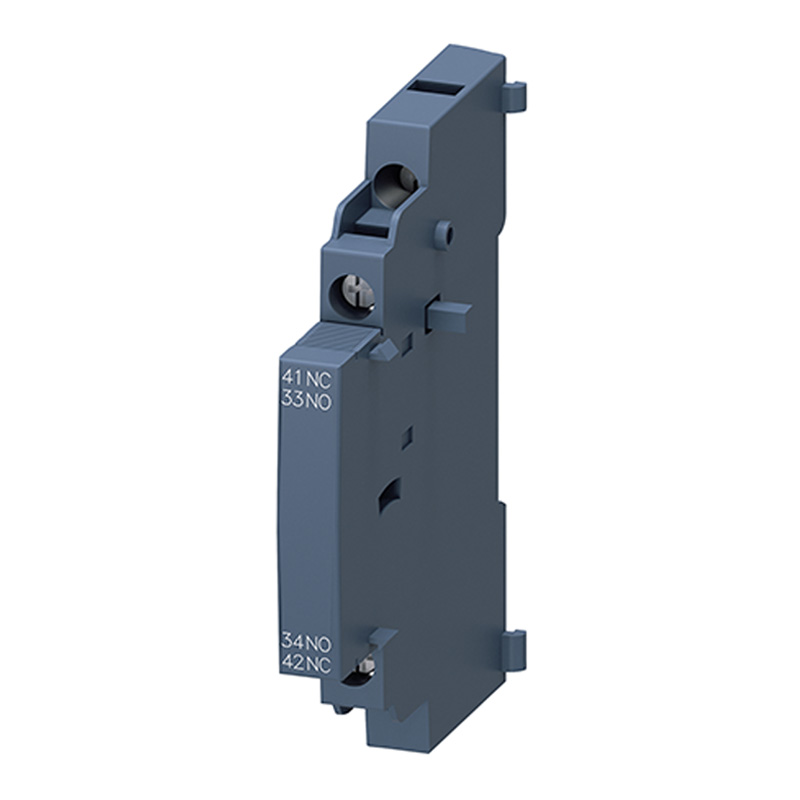
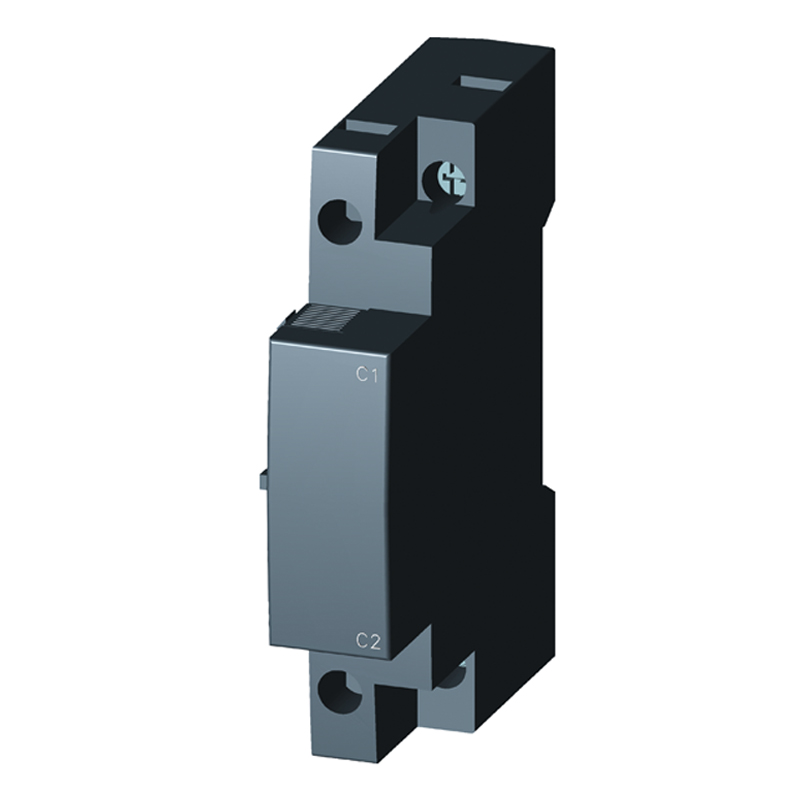
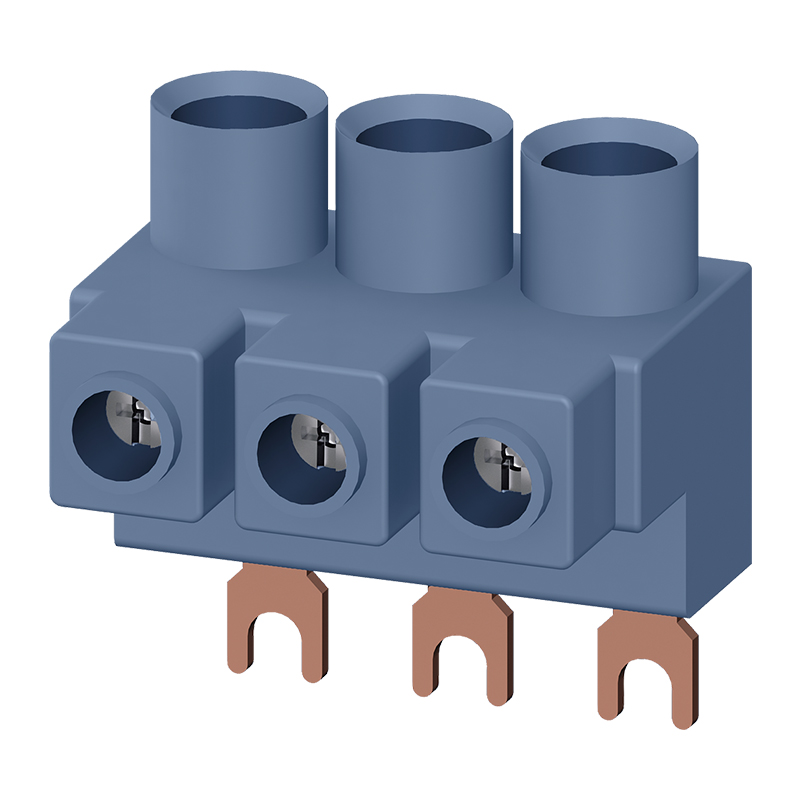
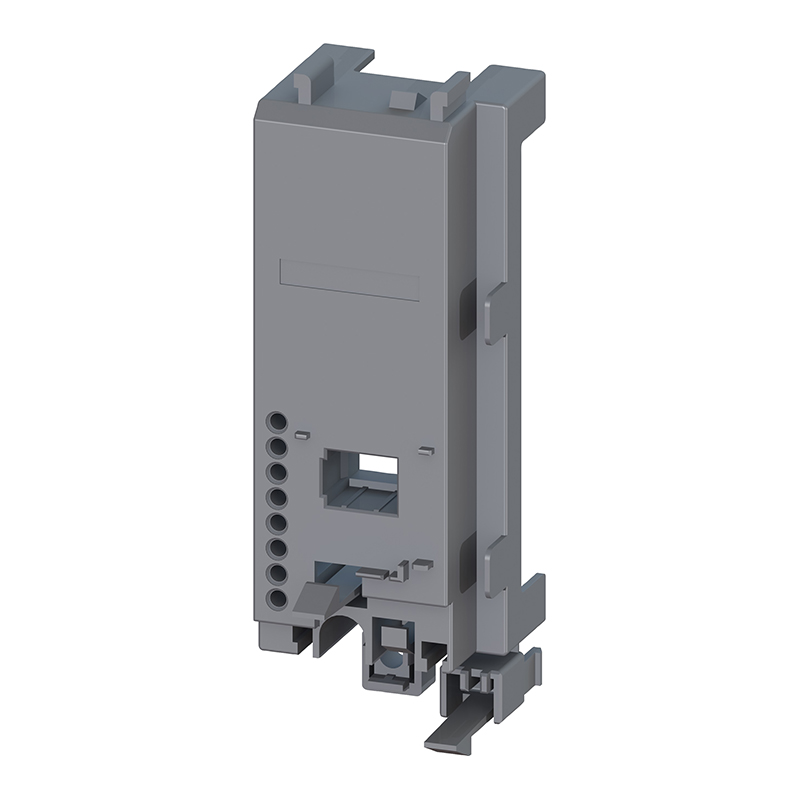
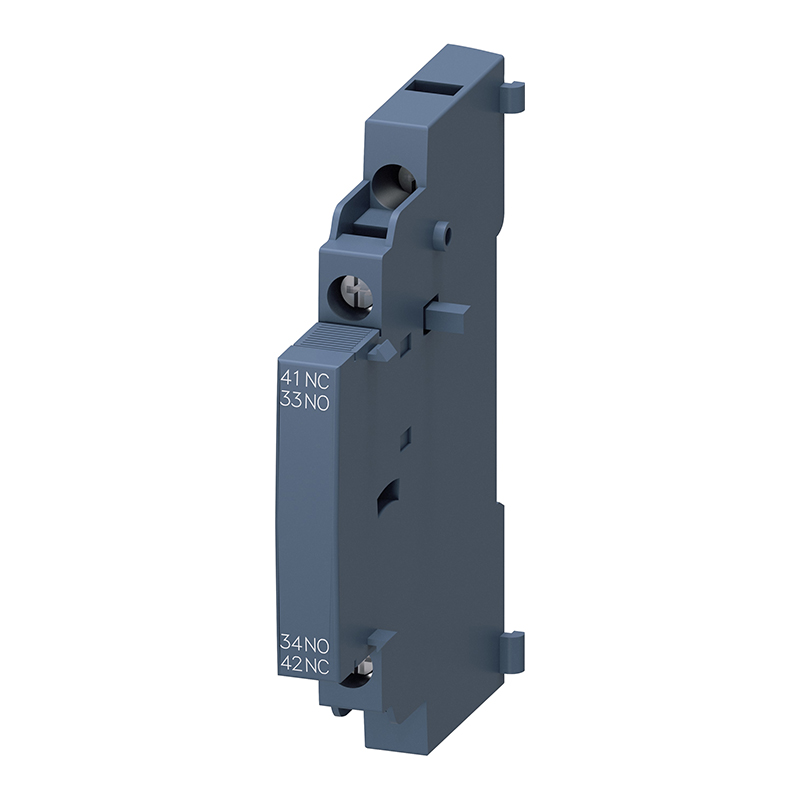
Siemens 3RV6928-0B for S00 and S0
Brand:
Series:
3RV6
Scope of Application:
3RV6
Auxiliary Contacts:
-
Product Type:
Plug-in
Installation:
-
Model:
3RV6928-0B for S00 and S0
Order Number:
3RV69280B
Description:
Siemens 3RV6928-0B for S00 and S0, plug-in, applicable range 3RV6
Product parameters
| Product attributes | Attribute value | Filter product attributes |
|---|---|---|
| Brand: | Siemens | |
| Series: | 3RV6 | |
| Scope of Application: | 3RV6 | |
| Auxiliary Contacts: | - | |
| Product Type: | Plug-in | |
| Installation: | - |
Products with the same attribute : 0
Show details
Series Overview
Series Overview
3RV6/3RV5 circuit breakers are compact - type current - limiting motor starting protection circuit breakers. They can be used for the switching on/off and protection of three - phase induction motors (with a maximum power of 45kW at AC 400V) and other loads (with a maximum rated current of up to 100A).
Specification Notes
3RV6/3RV5 circuit breakers include 4 types of specifications:
- S00 specification — 45mm wide, maximum rated current 16A, applicable induction motor maximum 7.5kW at AC 400V.
- S0 specification — 45mm wide, maximum rated current 40A, applicable induction motor maximum 18.5kW at AC 400V.
- S2 specification — 55mm wide, maximum rated current 50A, applicable induction motor maximum 25kW at AC 400V.
- S3 specification — 70mm wide, maximum rated current 100A, applicable induction motor maximum 45kW at AC 400V.
Operating Conditions
3RV6/3RV5 circuit breakers are suitable for any climate and are applied in normal operating environments of enclosed spaces (such as dust - free, free of corrosive gases or harmful gases). When installed in dusty and humid places, appropriate protective covers need to be equipped.
3RV6/3RV5 circuit breakers can have wires connected from the top or the bottom.
For the ambient temperature allowed by the circuit breakers, the maximum breaking capacity, the tripping action current, and other conditions, refer to the specific technical data and tripping characteristic curves in this manual.
3RV6/3RV5 circuit breakers can be used in IT systems (IT networks), but the different short - circuit breaking capacities in IT systems should be considered.
Even for motors with the same rated power, due to the instantaneous peak current, their operating current, starting current, and current peak value are all different. Therefore, the rated value of the motor in the selection table can only represent guide data. The actual rated data and starting data of the motor are very important for selecting a suitable circuit breaker. This principle also applies to circuit breakers for transformer protection.
Application Categories
3RV6/3RV5 circuit breakers can be used for:
- Motor protection
- System protection
- Short - circuit protection of starter combinations
- Transformer protection
- As main switches and emergency stop switches
- IT systems (IT networks)
- DC circuits
- Explosion - proof applications (ATEX)
Short - Circuit Protection
When a short - circuit occurs, the short - circuit trip of 3RV6/3RV5 circuit breakers can isolate the faulty load - fed circuit from the power supply, thus preventing further losses.
Most models of 3RV6/3RV5 circuit breakers have a rated ultimate short - circuit breaking capacity of over 50kA at AC 400V, and the short - circuit protection reliability is very high because such high short - circuit currents are usually not encountered.
Motor Protection
The tripping characteristic of 3RV60/3RV50 motor protection circuit breakers is mainly designed to protect three - phase induction motors.
The rated current In of the protected motor can be adjusted with the setting knob. The short - circuit trip current is fixedly set at 13 times the rated current of the motor protection circuit breaker. In this way, the motor will not trip due to faults during starting and can be properly protected.
If phase failure and over - current occur due to phase faults, the phase - failure protection of the motor protection circuit breaker will trip in time. The design trip class of the motor protection circuit breaker equipped with a thermal overload trip is CLASS10.
System Protection
The 3RV60/3RV50 motor protection circuit breakers used for motor protection can also be used for system protection.
To prevent early tripping due to phase - failure protection, the protected object must be a three - phase symmetric load. If it is a single - phase load, the circuits must be connected in series.
Short - Circuit Protection of Starter Combinations
3RV63/3RV53 circuit breakers can be combined with contactors and overload relays for short - circuit protection of starter combinations.
Similar to the motor protection circuit breakers for protecting motors, 3RV63/3RV53 circuit breakers are also equipped with short - circuit trips, and their trip values are set at 13 times the rated current of the circuit breakers as fixed values, without overload trips.
Once an overload occurs, the overload relay will trigger the contactor to open, while the circuit breaker remains closed. Only when a short - circuit occurs in the feeder line will the circuit breaker trip.
Since the circuit breakers used for starter combinations cannot protect the motors independently and cannot prevent overloads by themselves, they must be used with overload relays.
Transformer Protection
When controlling a transformer on the power supply side, the instantaneous current generated when connecting the transformer often causes false tripping of the protection mechanism.
Therefore, the short - circuit trip value of 3RV64/3RV54 circuit breakers used for transformer protection is set at 20 times the rated current value as a fixed value, so they can be used for transformers where the inrush current on the power supply side is 30 times the rated current.
Transformers with low inrush current control do not need to use such circuit breakers and can use 3RV60/3RV50 motor protection circuit breakers for motor protection.
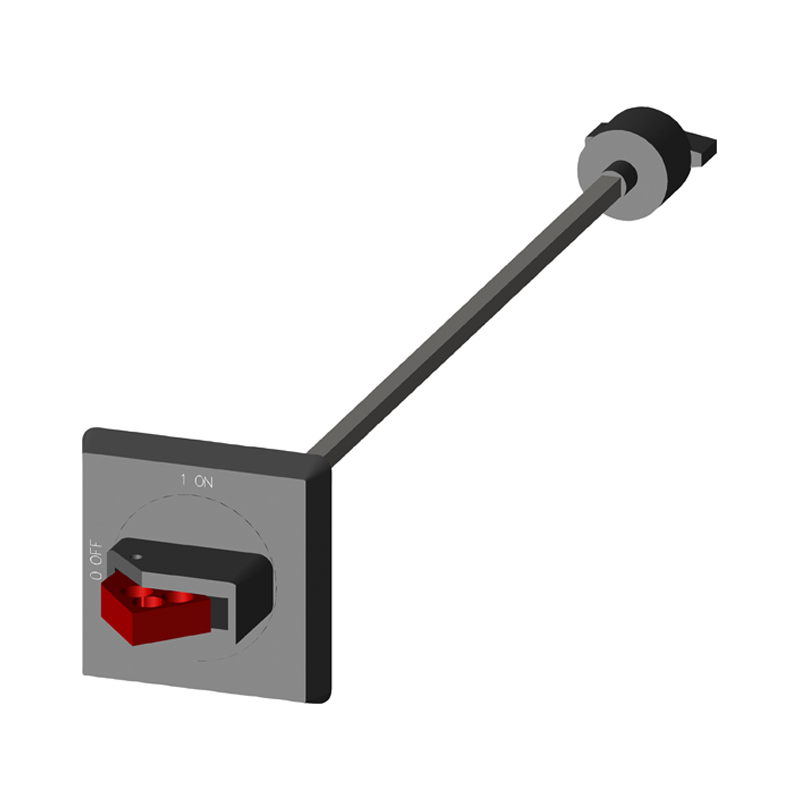
Door - Coupled Rotary Operating Mechanism
Circuit breakers can be installed inside the cabinet and operated outside the cabinet through the door - coupled rotary operating mechanism. When the cabinet door with the circuit breaker installed is closed, the operating mechanism is in a locked state. When the circuit breaker is in the closed position, the door interlock device can be used to prevent the cabinet door from being opened accidentally. Only maintenance personnel can open the locking mechanism. When the switch is in the open position, the rotary operating mechanism can be locked with up to three padlocks, which can also prevent the cabinet door from being opened due to negligence.

Rachel
Industrial Control Sales Specialist: Focuses on delivering high-performance, cost-effective industrial control products. Offers end-to-end one-stop procurement support—covering rapid quotation, streamlined order fulfillment, and responsive after-sales service—to simplify clients’ procurement processes.
Email: Anthony@icxsg.com
We offer competitive product pricing. For fast support, send your email, phone, address, and the product model & quantity you want—we’ll reach out quickly!
We typically respond via email within one business day! You can also contact us at Anthony@icxsg.com