






 English
 Français
 Deutsch
 Português
 Español
 русский
  한국어
한국어 العربية
 Italiano
 Indonesia
 Schweiz
 Polski
 Nederlands
 ישראל - עברית
 Perzisch
 ไทย
ไทย 日本語
日本語 ኢትዮ-አማርኛ
 Việt Nam
 Kiswahili
 Srpski
 Ελληνικά
 简体中文
简体中文
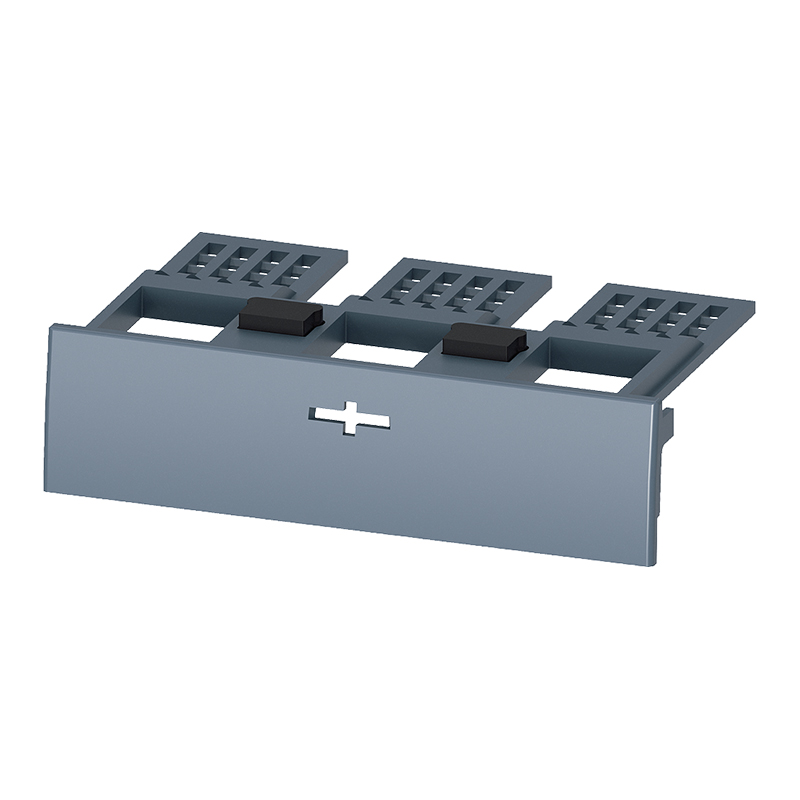
Siemens 3VL94002AH00 Molded Case Circuit Breaker Accessories
Brand:
Series:
3V
Attachment Name:
adapter
Model:
3VL9400-2AH00
Order Number:
3VL94002AH00
Description:
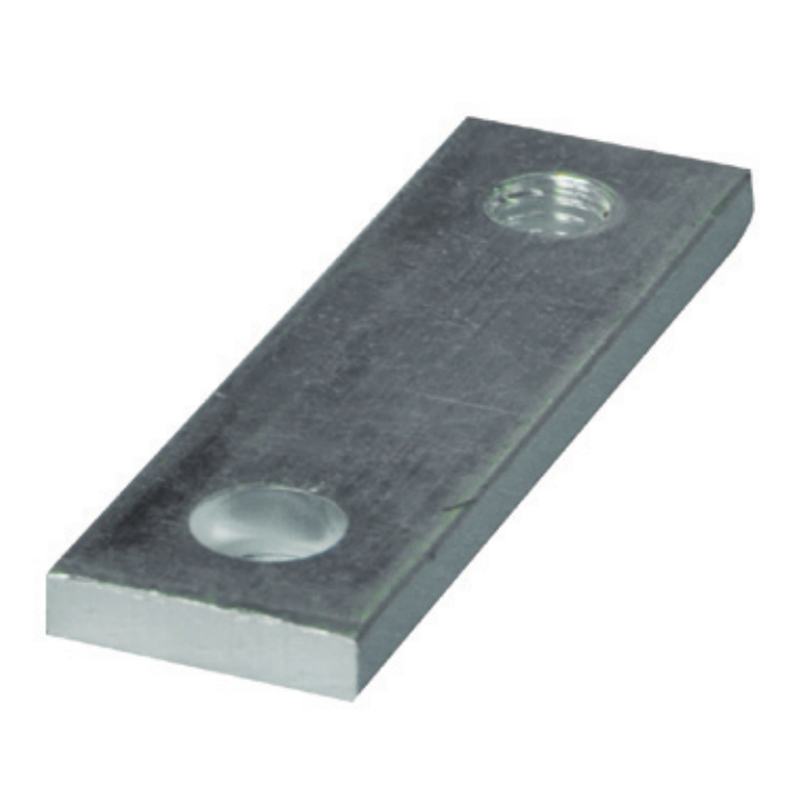
Siemens Molded Case Circuit Breaker Accessories 3VL9400-2AH00
Product parameters
| Product attributes | Attribute value | Filter product attributes |
|---|---|---|
| Brand: | Siemens | |
| Series: | 3V | |
| Attachment Description: | For VL160X, VL160, VL250, VL400, adapter for auxiliary switch to 3HS for installation N-polig/left/right | |
| Attachment Type: | - | |
| Attachment Name: | adapter |
Products with the same attribute : 0
Show details
Series Overview
Outline
- Internal Accessories (Auxiliary Switches, Undervoltage Releases, Shunt Releases)
- SENTRON 3VL circuit breakers are supplied complete with a full set of internal accessories (e.g., auxiliary switches, undervoltage releases, or shunt releases).
- Fixed, Plug-in, or Withdrawable Versions
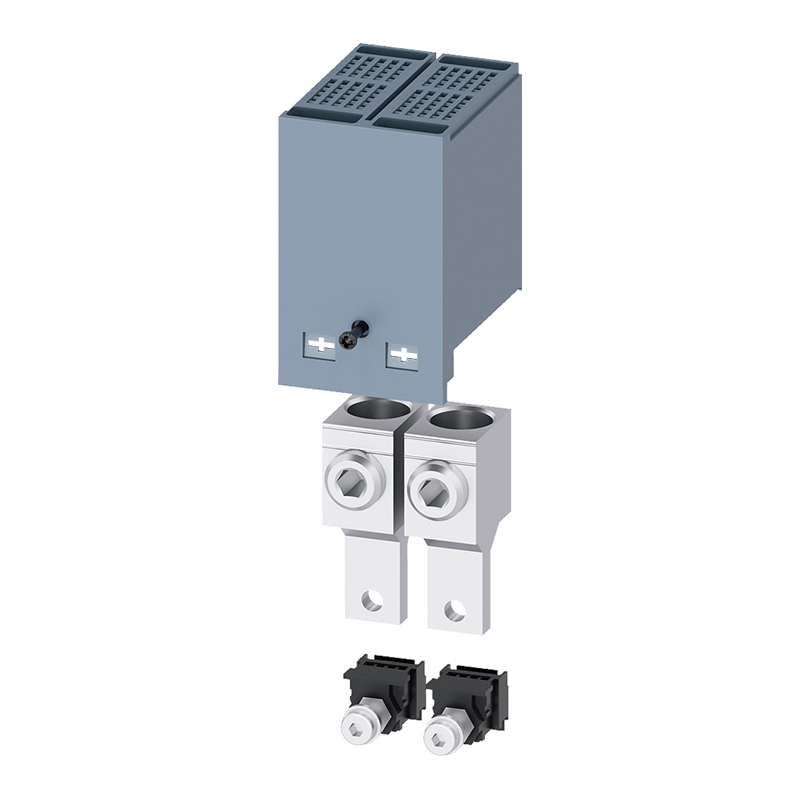
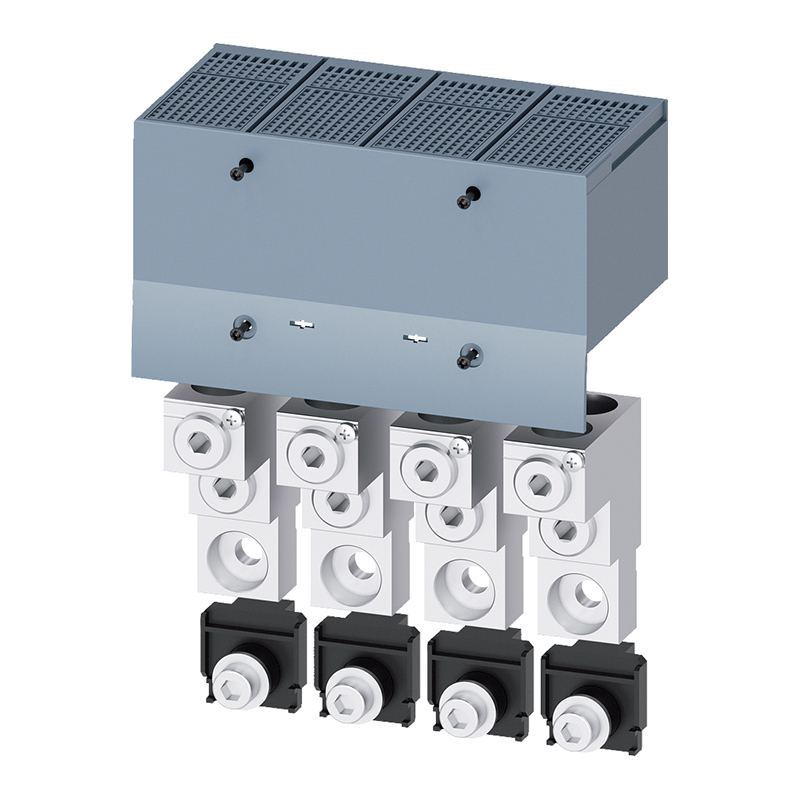
- The fixed version is the basic type. It can be easily converted into a plug-in or withdrawable version using the appropriate kit. The kit for plug-in circuit breakers includes knife contacts, locking pins, and terminal covers. The kit for withdrawable circuit breakers includes side covers and a moving mechanism. Operation via the handle is possible even with the front panel mounted.
Operating Mechanism
- The basic version of the SENTRON 3VL circuit breaker is equipped with a toggle handle operating mechanism, which also serves as a switch position indicator. It indicates "ON", "OFF", and "TRIPPED".
- When an overload or short-circuit current occurs, the internal trip mechanism operates, moving the toggle handle to the "TRIPPED" position. Operation of an undervoltage release or shunt release will also move the toggle handle to the "TRIPPED" position. Before the circuit breaker can be reclosed, the toggle handle must be moved to the "OFF/RESET" position. Only then can the internal trip mechanism be reset to allow the main contacts of the circuit breaker to reclose.
Front-Mounted Rotary Operating Mechanism
- These operating mechanisms are mounted directly onto the circuit breaker and convert the linear motion of the toggle handle into rotary motion.
- For circuit breakers equipped with early-make auxiliary contacts, voltage should be supplied to the undervoltage release in advance to prepare the circuit breaker for closing.
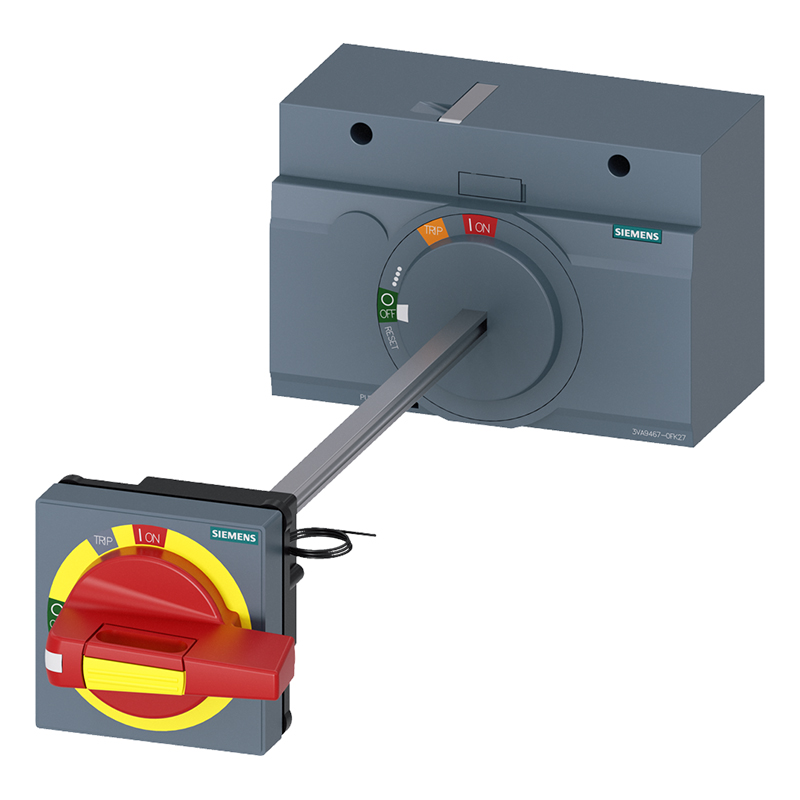
Door-Coupled Rotary Operating Mechanism (Assembly Kit)
- For circuit breakers installed inside control cabinets and switchboards, door-coupled rotary operating mechanisms and removable covers are available. They are supplied as a kit, including a cardan shaft mechanism.
- The "RESET" position in the tripped state applies equally to the toggle handle and the rotary operating mechanism. The position of the operating lever indicates the status.
- Using an appropriate padlock, the rotary operating mechanism can be locked in the OFF position. This means all SENTRON 3VL circuit breakers equipped with these operating mechanisms and the corresponding terminal covers can be used as master control switches.
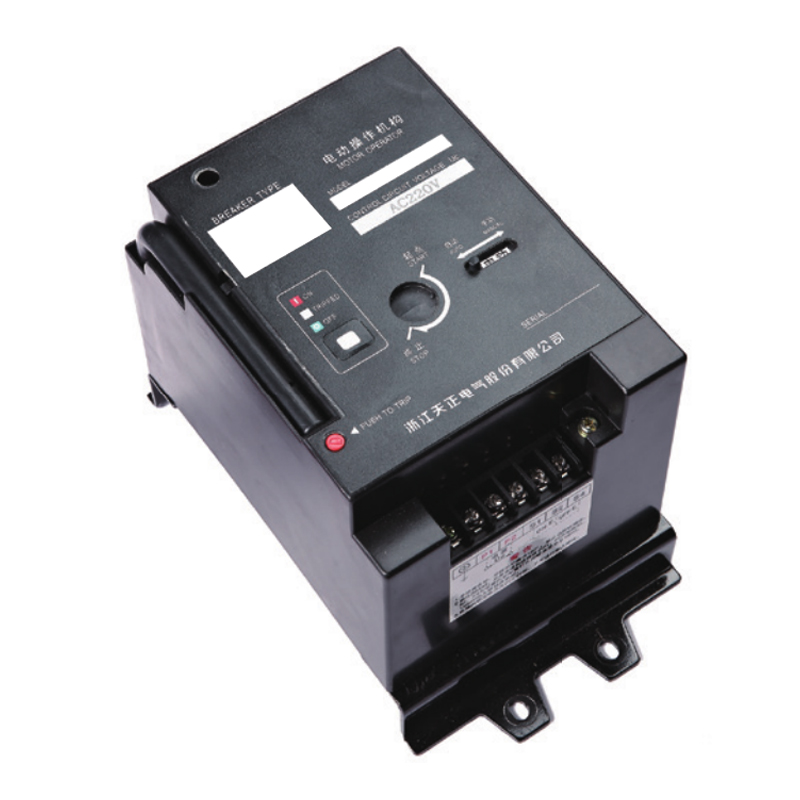
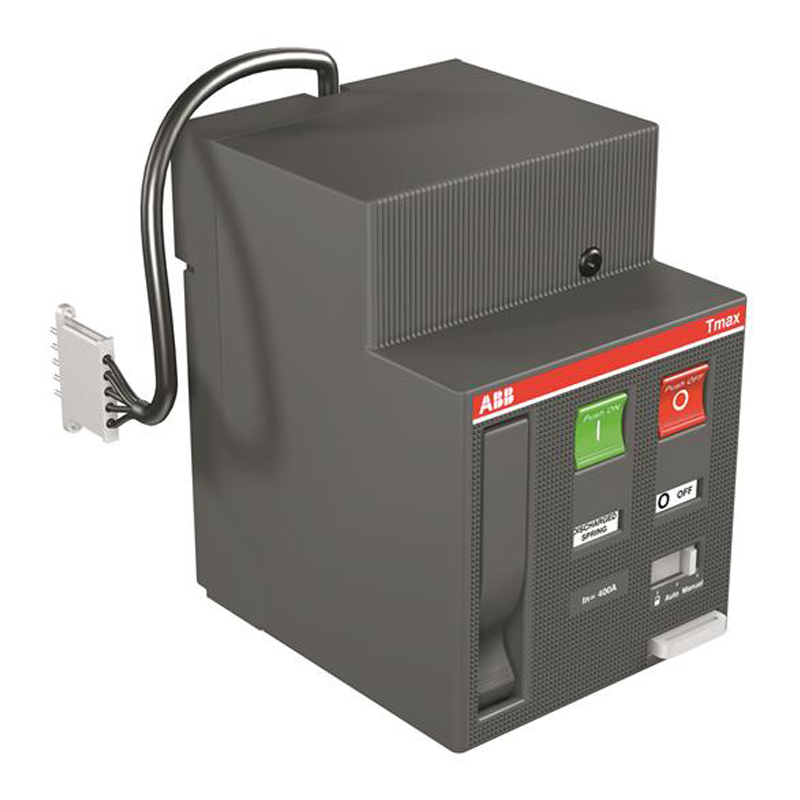
Motor Operating Mechanism
- SENTRON VL160X-VL1600 circuit breakers (ratings 160-1600A) can be equipped with motor operating mechanisms for remote opening and closing operations.
- The motor operating mechanisms for SENTRON VL160X-VL800 circuit breakers feature a pre-charging function (for synchronized operation), with a maximum closing time tE ≤ 100ms.
- For SENTRON VL160X, VL160, VL250, VL1250, and VL1600 circuit breakers, motor operating mechanisms without a pre-charging function are available for remote control of switching on and off operations.
- All motor operating mechanisms can be supplied with padlock locking accessories. For motor operating mechanisms with a pre-charging function, a safety lock option is also available.
Undervoltage Release, Early-Make Auxiliary Contact
- Without voltage, the circuit breaker cannot be closed. If voltage is not applied to the release, the circuit breaker will perform a no-load break. Repeated tripping operations should be avoided as they shorten the circuit breaker's service life.
- All undervoltage releases are designed and tested to meet all application requirements specified in IEC 60947 (tripping voltage 0.70-0.35 Ue, response voltage 0.85-1.10 Ue).
- Voltage can be applied in advance via the early-make auxiliary contact to the undervoltage release of the circuit breaker, preparing it for closing.
Shunt Release
- Shunt releases are used for remote tripping of the circuit breaker.
- The coils of shunt releases are designed for short-time operation only; coil tripping is implemented internally.
- The operation of these devices complies with the IEC 60947 standard (tripping voltage 0.70-1.10 Ue).
- Continuously applying a tripping command to the shunt release to prevent the circuit breaker from closing when tripped is not permitted.
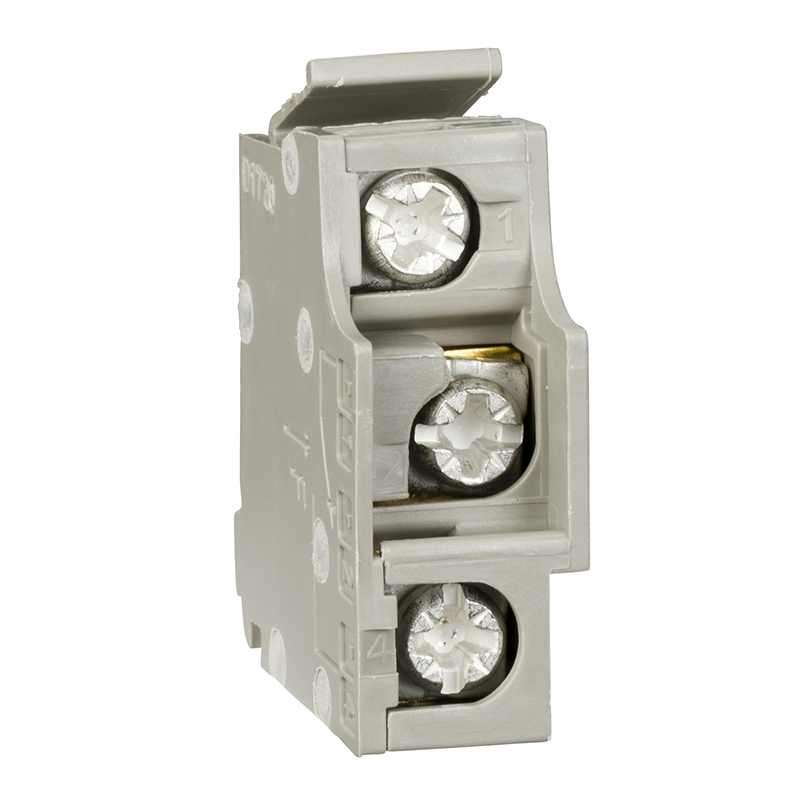
Auxiliary Switch
- Auxiliary switches are used for indication and control. The contacts of the auxiliary switch open and close with the main contacts.
Alarm Switch
- The alarm switch (AS) operates when the circuit breaker trips due to overcurrent, such as overload or short circuit. However, it will also operate if the circuit breaker is tripped by a shunt release device or an undervoltage release device.
Installation of Internal Accessories
- The insulated accessory groups for mounting accessories (auxiliary tripping devices and auxiliary/alarm switches) are identified as X1, X2, and X4.
- The circuit breaker's capability to be equipped with internal accessories, and its configuration with auxiliary tripping devices and auxiliary/alarm switches, depends on the circuit breaker's frame size and rating.
PLC Control
- Auxiliary and alarm switches can be used to send signals to a Programmable Logic Controller (PLC). These switch assemblies are components of the Siemens 3TH8 product series.
Early-Make Auxiliary Contact
- OFF-ON or ON-OFF early-make auxiliary contacts are supplied as retrofit accessories for rotary operating mechanisms.

Rachel
Industrial Control Sales Specialist: Focuses on delivering high-performance, cost-effective industrial control products. Offers end-to-end one-stop procurement support—covering rapid quotation, streamlined order fulfillment, and responsive after-sales service—to simplify clients’ procurement processes.
Email: Anthony@icxsg.com
We offer competitive product pricing. For fast support, send your email, phone, address, and the product model & quantity you want—we’ll reach out quickly!
We typically respond via email within one business day! You can also contact us at Anthony@icxsg.com