






 English
 Français
 Deutsch
 Português
 Español
 русский
  한국어
한국어 العربية
 Italiano
 Indonesia
 Schweiz
 Polski
 Nederlands
 ישראל - עברית
 Perzisch
 ไทย
ไทย 日本語
日本語 ኢትዮ-አማርኛ
 Việt Nam
 Kiswahili
 Srpski
 Ελληνικά
 简体中文
简体中文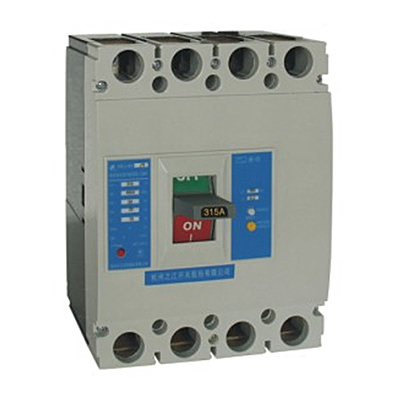
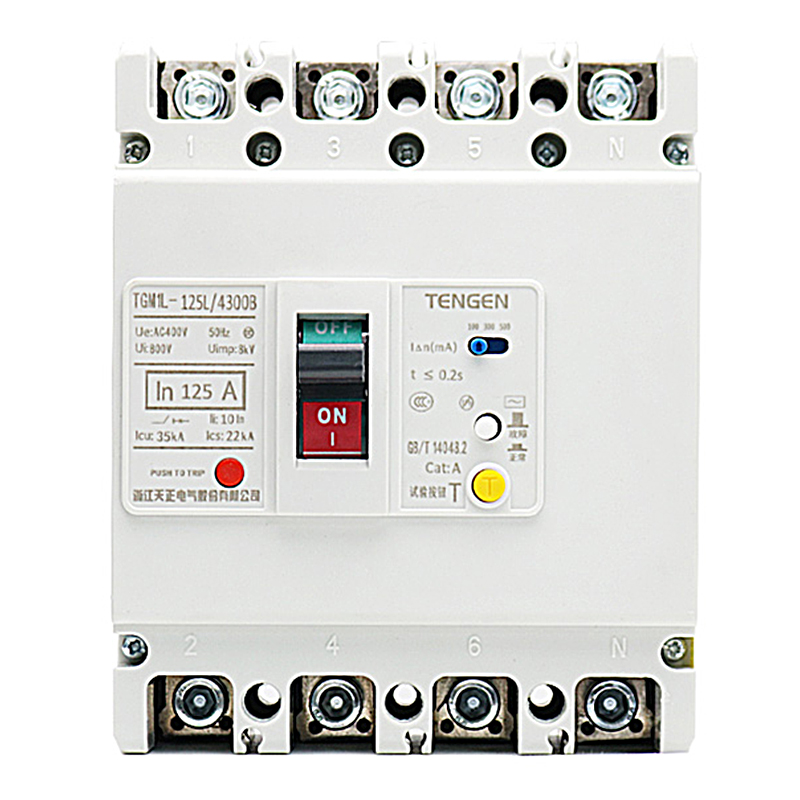
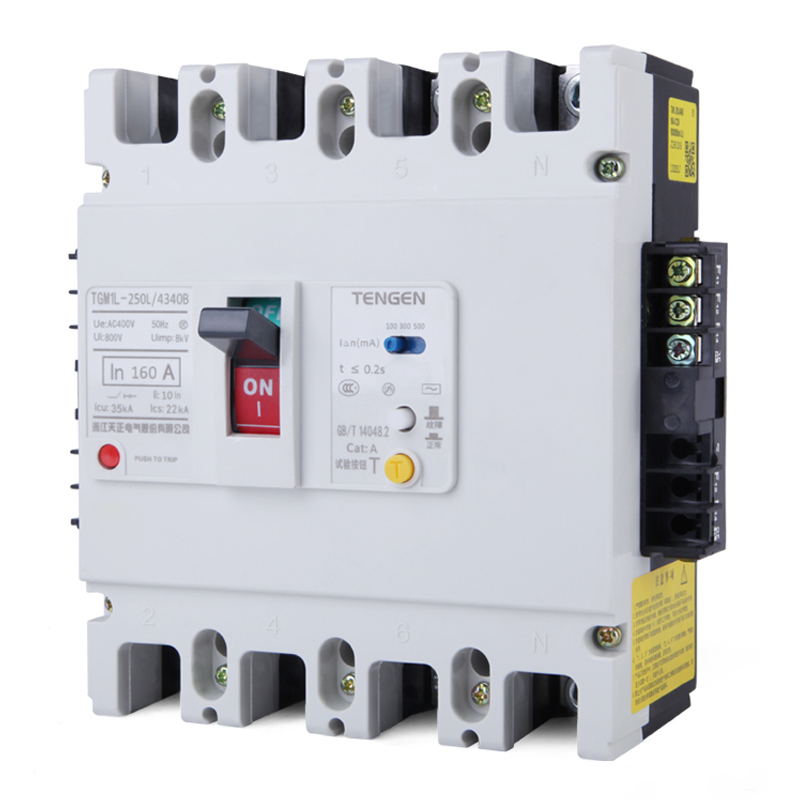
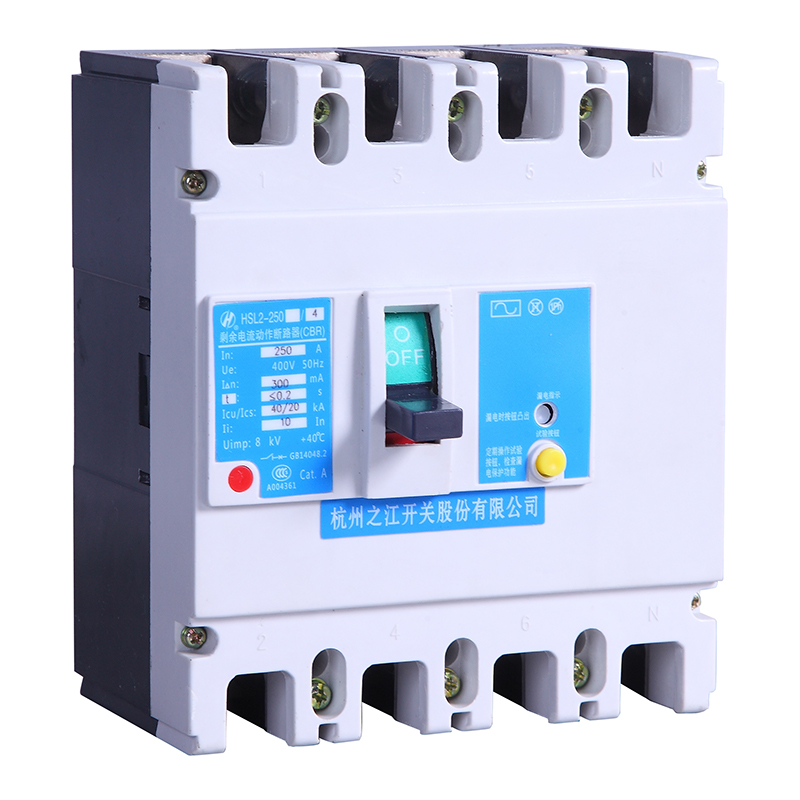
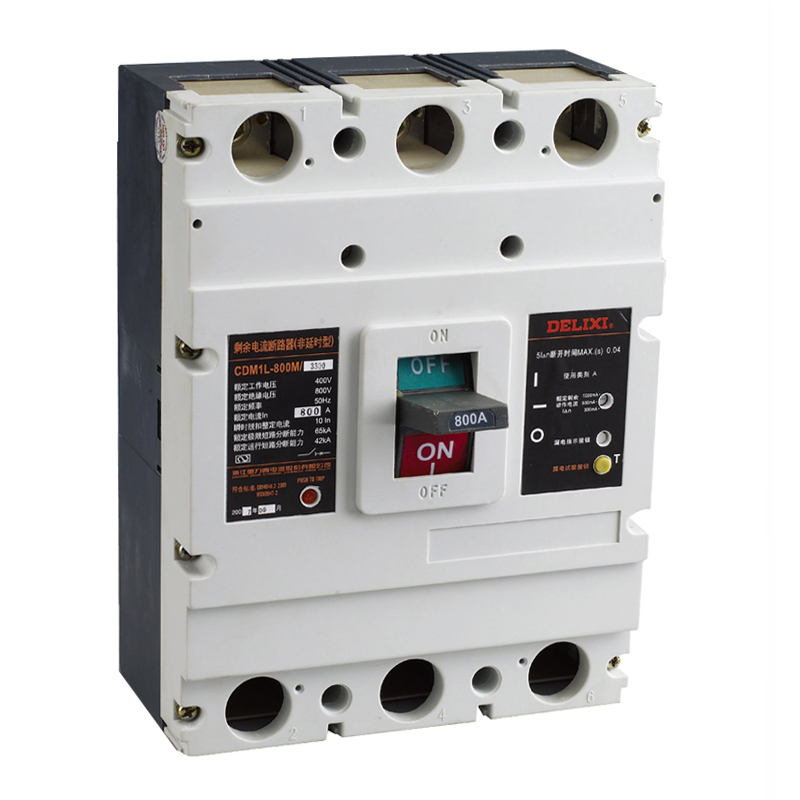
Hangshen HSL2-400M/3300 315A 500MA Molded Case Leakage Protection Circuit Breaker
Brand:
Series:
HSL2
How It Works:
Manual
Frame Current:
400A
Tripping Mode:
Thermal Magnetic
Protection Function:
LI
Wiring Method:
Front panel wiring
Poles:
3P
Rated Voltage:
400VAC
Installation:
Fixed
Trip Unit:
Compound release
Rated Current of Release:
315A
Breaking Capacity:
65KA
Model:
HSL2-400M/3300 315A 500MA
Order Number:
Description:
Hangshen Molded Case Leakage Protection Circuit Breaker HSL2-400M/3300 315A 500MA, Fixed, Manual, 65KA, 400VAC, Front Panel Wiring, 315A, 3P, Frame Current 400A
Product parameters
| Product attributes | Attribute value | Filter product attributes |
|---|---|---|
| Brand: | Hangshen | |
| Series: | HSL2 | |
| Appendix: | Without accessories | |
| How It Works: | Manual | |
| Frame Current: | 400A | |
| Tripping Mode: | Thermal Magnetic | |
| Protection Function: | LI | |
| Wiring Method: | Front panel wiring | |
| Poles: | 3P | |
| Rated Voltage: | 400VAC | |
| Installation: | Fixed | |
| Trip Unit: | Compound release | |
| Rated Current of Release: | 315A | |
| Breaking Capacity: | 65KA |
Products with the same attribute : 0
Show details
Series Overview
Outline of HSL2 Series Residual Current Operated Circuit Breakers (RCBOs)
Purpose and Scope of Application
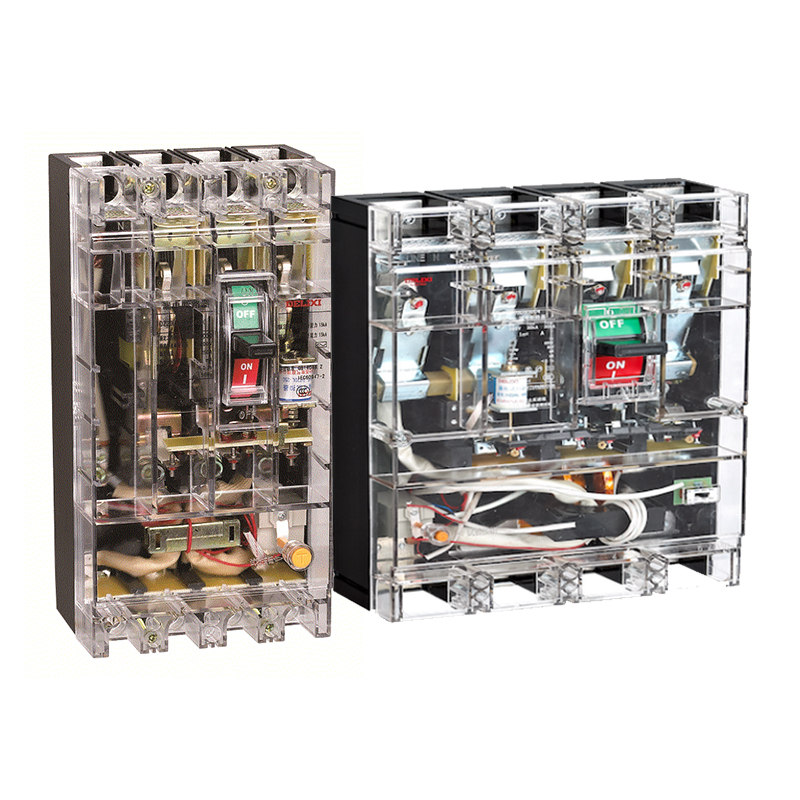
● HSL2 Series Residual Current Operated Circuit Breakers (also known as leakage current circuit breakers, hereinafter referred to as circuit breakers) are suitable for circuits with an AC frequency of 50Hz, rated insulation voltage up to 1000V, rated operational voltage up to 400V, and rated currents from 16A to 630A. They are used for protection against electric shock to persons and equipment leakage. They can also prevent fire hazards caused by ground faults resulting from equipment insulation damage. Additionally, the circuit breakers can be used for infrequent switching (transfer) of lines and motors. They automatically protect and interrupt the circuit in the event of overloads, short circuits, or other faults in the lines or motors. The circuit breakers are available in transparent and opaque models. Transparent models allow clear visibility of the internal switch structure, significantly enhancing reliability and safety.
● These circuit breakers have an isolation function, indicated by the symbol: X
● The circuit breakers comply with standards IEC 60947-2 and GB/T 14048.2.
Normal Service and Installation Conditions
Ambient Air Temperature
● -25°C to +70°C, with the average value over 24 hours not exceeding +35°C; Derating is required for ambient temperatures exceeding +40°C. Products suitable for temperatures as low as -40°C are also available.
Altitude
● The altitude of the installation site should not exceed 2000m; Derating is required for installations above 2000m.
Relative Humidity
● The relative humidity of the air at the installation site should not exceed 50% at +40°C, and can be higher at lower temperatures (e.g., up to 95% at +20°C). Appropriate measures should be taken against condensation caused by temperature changes.
Installation Environment
● The circuit breaker should be installed in a medium without explosion hazard, free from gases and conductive dust sufficient to corrode metals and damage insulation, and protected from rain and snow.
Pollution Degree
● Pollution Degree 3.
Installation Category
● The main circuit of the circuit breaker is Installation Category III; other auxiliary and control circuits are Installation Category II.
Mounting Orientation
● The standard mounting method is vertical, but horizontal mounting is also possible.
Operating Principle of the Circuit Breaker
● When a leakage current or electric shock occurs in the protected circuit (the circuit connected downstream of the circuit breaker), provided the leakage or shock current IΔ reaches the residual operating current value, the secondary winding of the zero-sequence current transformer outputs a signal. This signal triggers the residual current release to interrupt the power supply within 0.2 seconds (delayed types interrupt after a specified delay time), thereby providing leakage or shock protection. Delayed-type Residual Current Operated Circuit Breakers can form a graded protection system with other circuit breakers (e.g., non-delayed types acting within <0.2s) to enhance power supply reliability and safety. If a leakage fault occurs on a branch circuit, the circuit breaker on that branch acts to isolate the faulty circuit while other circuits remain operational. If the branch circuit breaker fails to operate due to damage, or if a leakage fault occurs on the main circuit, the delayed-type circuit breaker operates to disconnect the power supply.
WARNING: The circuit breaker cannot provide protection against the danger of electric shock resulting from simultaneous contact with two phase conductors of the protected circuit.

Rachel
Industrial Control Sales Specialist: Focuses on delivering high-performance, cost-effective industrial control products. Offers end-to-end one-stop procurement support—covering rapid quotation, streamlined order fulfillment, and responsive after-sales service—to simplify clients’ procurement processes.
Email: Anthony@icxsg.com
We offer competitive product pricing. For fast support, send your email, phone, address, and the product model & quantity you want—we’ll reach out quickly!
We typically respond via email within one business day! You can also contact us at Anthony@icxsg.com