






 English
 Français
 Deutsch
 Português
 Español
 русский
  한국어
한국어 العربية
 Italiano
 Indonesia
 Schweiz
 Polski
 Nederlands
 ישראל - עברית
 Perzisch
 ไทย
ไทย 日本語
日本語 ኢትዮ-አማርኛ
 Việt Nam
 Kiswahili
 Srpski
 Ελληνικά
 简体中文
简体中文
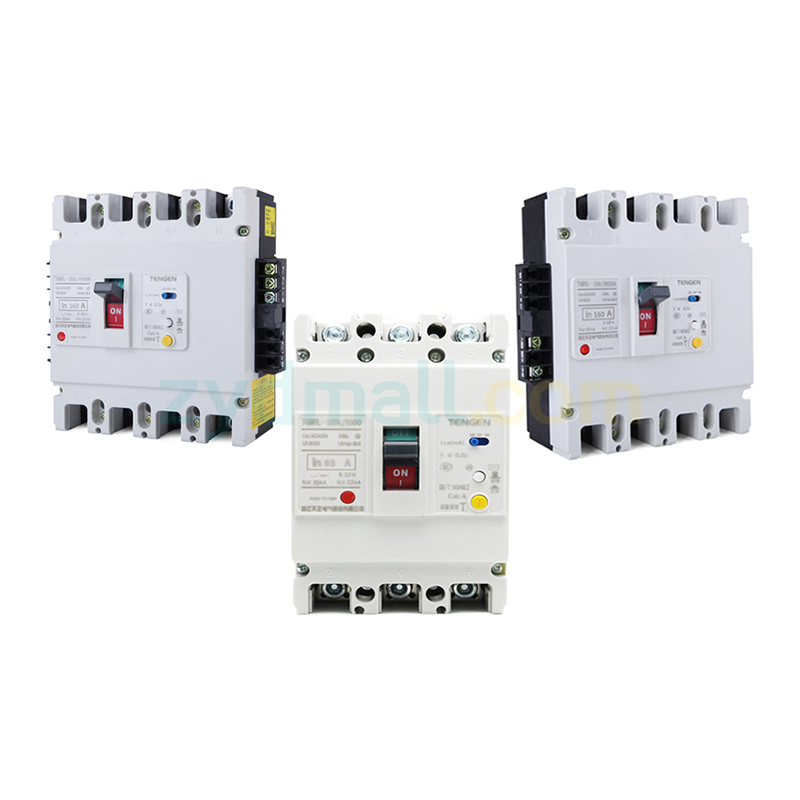
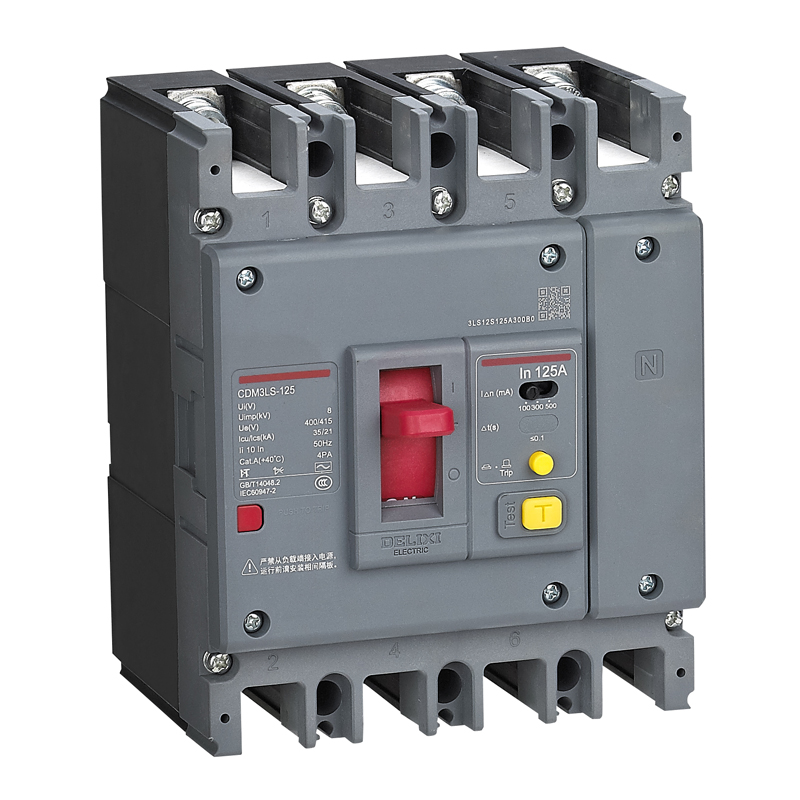
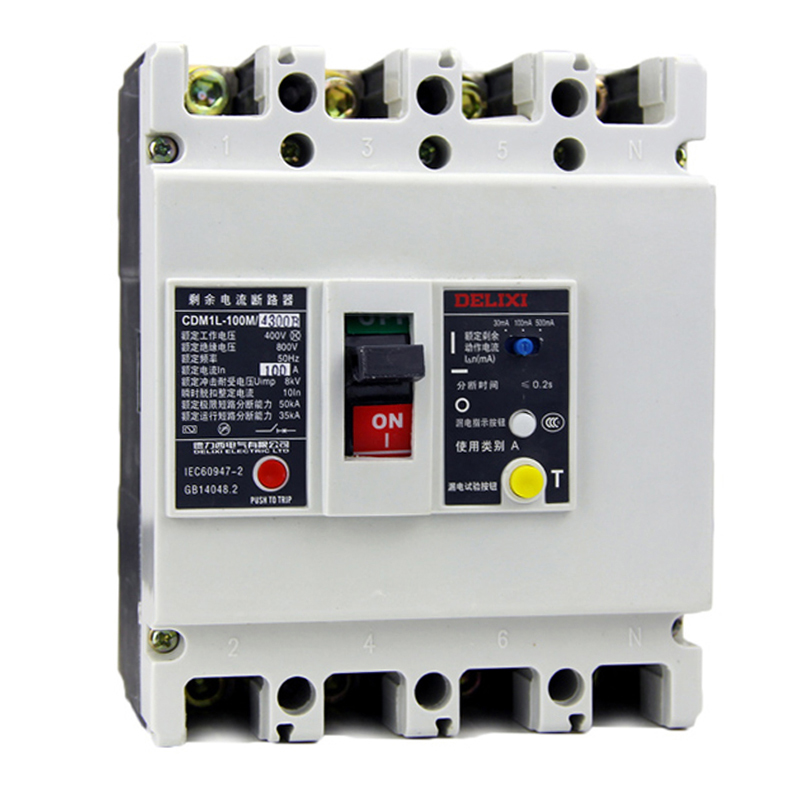
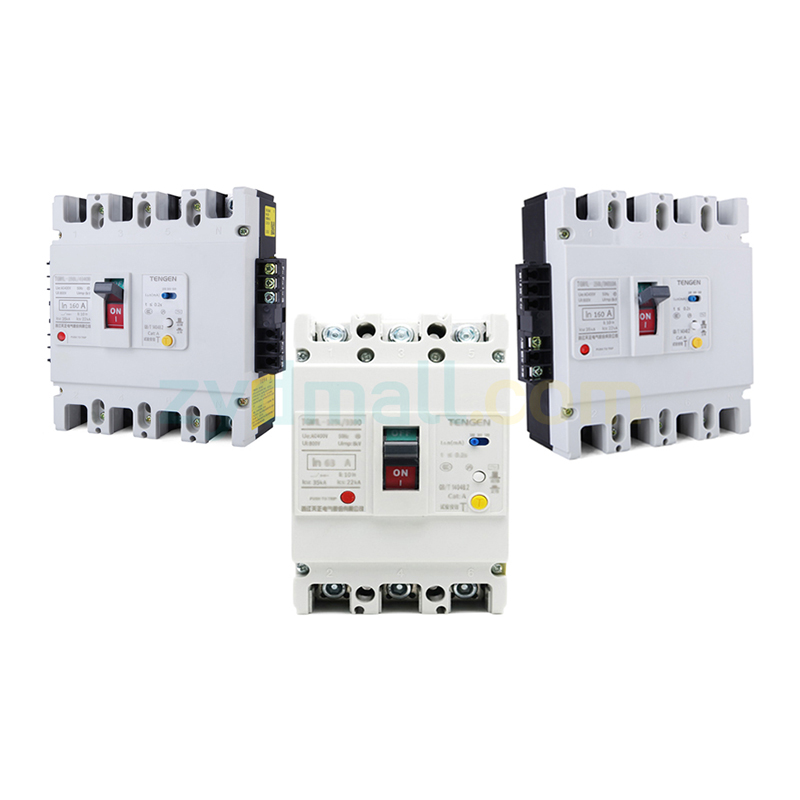
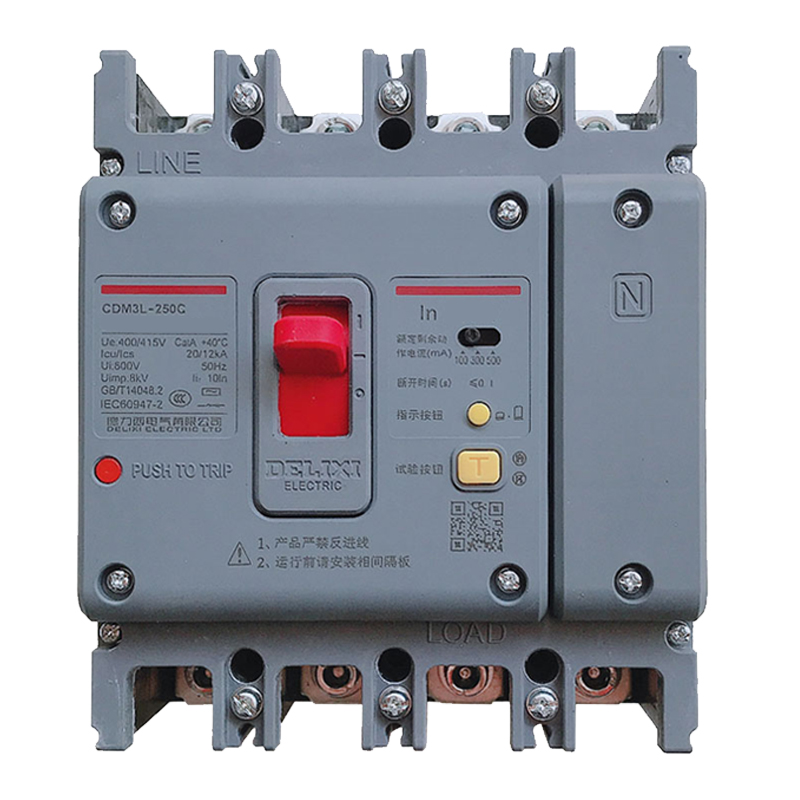
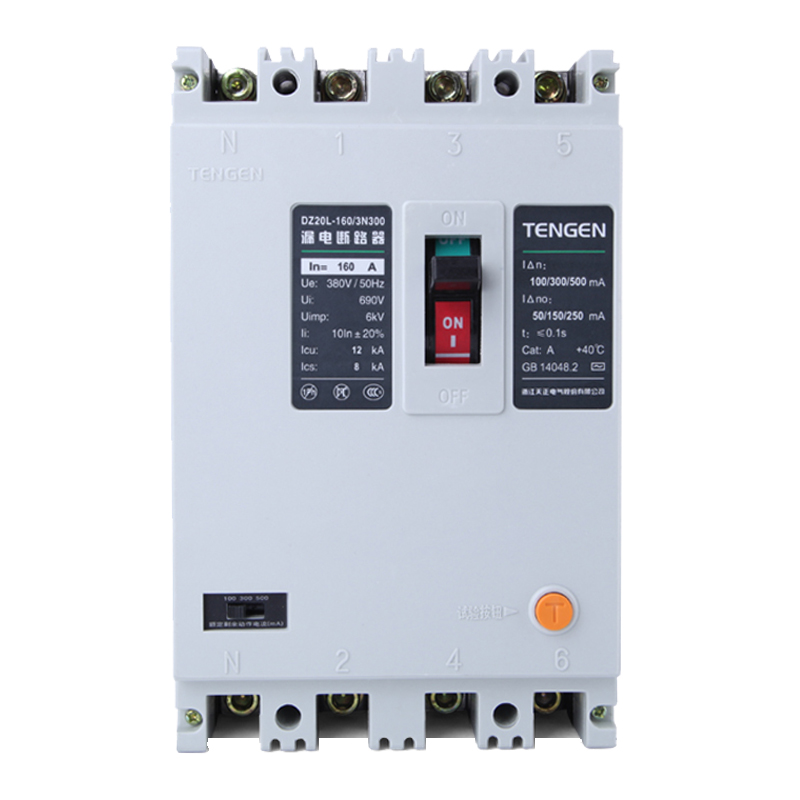
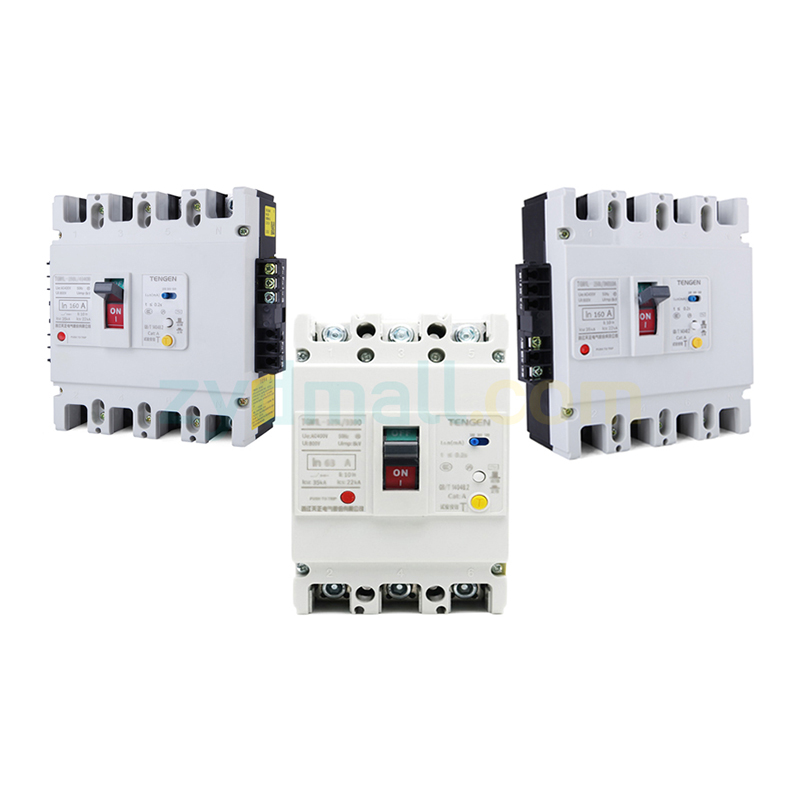
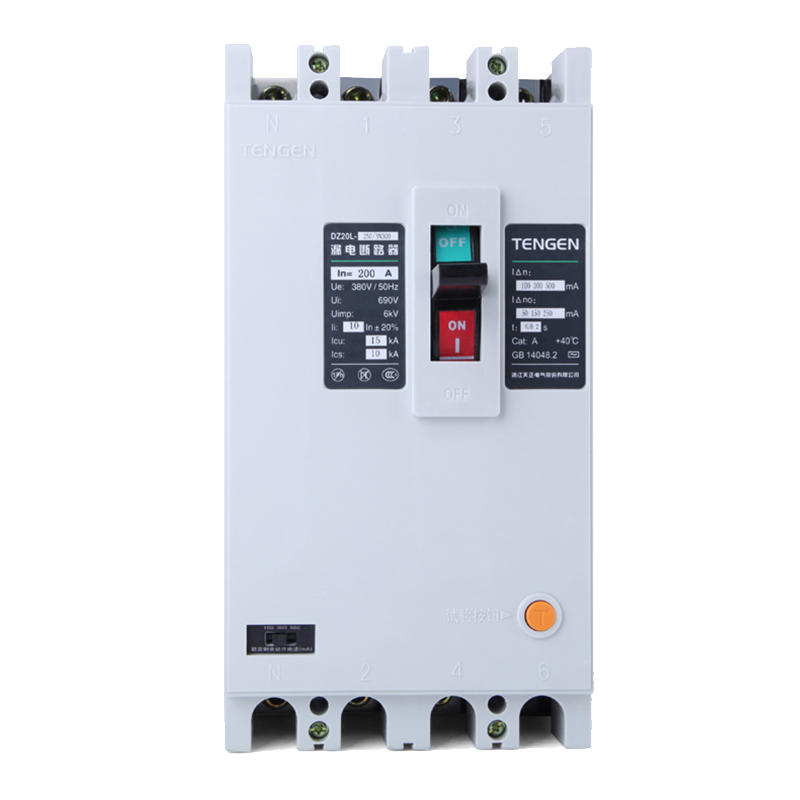
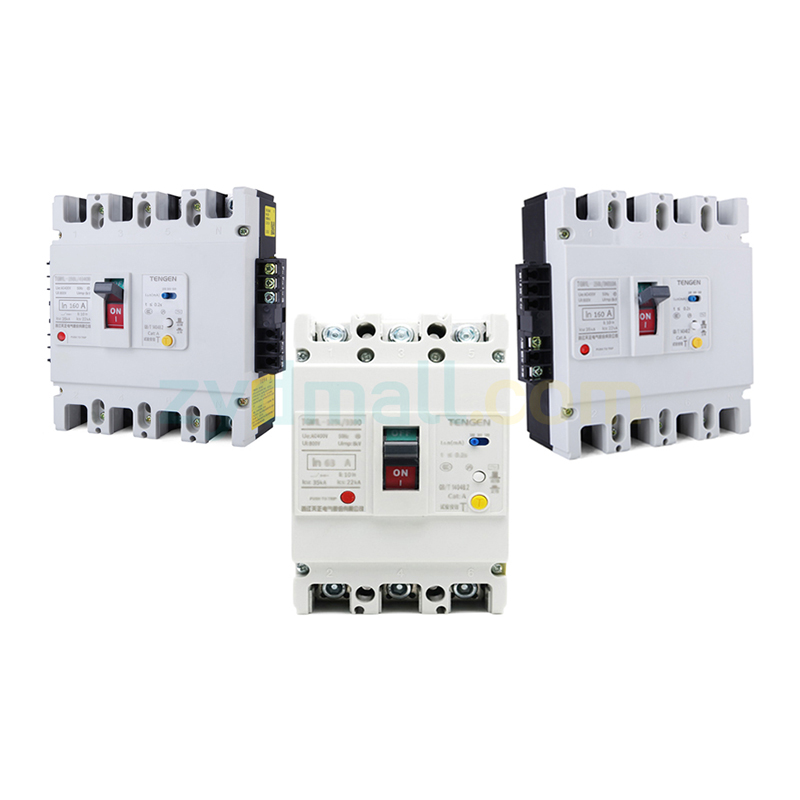
Huyu DZ20L-400/4340 250A 220V Molded Case Leakage Protection Circuit Breaker
Brand:
Series:
DZ20L
How It Works:
Manual
Frame Current:
400A
Protection Function:
LI
Wiring Method:
Front panel wiring
Poles:
4P
Installation:
Fixed
Breaking Capacity:
20KA
Model:
DZ20L-400/4340 250A 220V
Order Number:
1024200268
Description:
Huyu Molded Case Leakage Protection Circuit Breaker DZ20L-400/4340 250A 220V, Fixed, Manual, 20KA, Front Wiring, 4P, Frame Current 400A
Product parameters
| Product attributes | Attribute value | Filter product attributes |
|---|---|---|
| Brand: | Huyu | |
| Series: | DZ20L | |
| How It Works: | Manual | |
| Frame Current: | 400A | |
| Protection Function: | LI | |
| Wiring Method: | Front panel wiring | |
| Poles: | 4P | |
| Installation: | Fixed | |
| Breaking Capacity: | 20KA |
Products with the same attribute : 0
Show details
Series Overview
Application
• DZ201 series residual current circuit breakers (RCCBs) are suitable for circuits with AC 50Hz, rated voltage up to 400V, and rated current up to 600A. They are used for protection against electric shock hazards to persons, and also to prevent fire risks caused by earth fault currents resulting from equipment insulation damage. They can also provide protection against overload, short-circuit, and under-voltage for lines, and serve for infrequent switching of circuits.
• This product complies with the GB14048.2 standard.
Scope of Application
• Ambient air temperature: Upper limit not exceeding +40°C, lower limit not lower than -5°C, and the average value over 24 hours not exceeding +35°C.
• Altitude of installation site not exceeding 2000m.
• Atmospheric relative humidity at the installation site: Not exceeding 50% when the ambient air temperature is +40°C; higher relative humidity is permissible at lower temperatures. The monthly average maximum relative humidity of the most humid month is 90%, while the monthly average minimum temperature of that month is +25°C, taking into account condensation occurring on the product surface due to temperature changes.
• Pollution degree: Level 3.
• Installation category: Class III.
• The circuit breaker should generally be installed vertically.
• The external magnetic field at the installation site of the RCCB should not exceed the earth's magnetic field by more than 5 times in any direction.
Structure and Operating Principle
• This series of RCCBs are current-operated electronic residual current circuit breakers. They mainly consist of a zero-sequence current transformer, an electronic circuit board, a residual current release, and a circuit breaker with overload and short-circuit protection. All components are housed in a plastic enclosure.
• When an earth leakage fault or electric shock to a person occurs in the protected circuit, as long as the leakage current reaches IΔn, the secondary winding of the zero-sequence current transformer outputs a signal. This signal is amplified by the electronic circuit board, causing the residual current release to operate and cut off the power supply, thereby providing earth leakage and electric shock protection.
Installation and Use
• Before installation, check that the voltage, current, frequency, and specifications of the RCCB match those of the protected equipment, and that the rated residual operating current meets the requirements of the protected circuit and equipment.
• The protection characteristics of the RCCB have been strictly set at the factory. Users should not open the enclosure for arbitrary adjustment to avoid affecting performance; otherwise, all consequences shall be borne by the user.
• The RCCB must be installed as specified: Terminals 1, 3, 5 denote the power supply end; Terminals 2, 4, 6 denote the load end; N denotes the neutral pole. When installing a three-pole four-wire RCCB, both the neutral line (N) and the phase line (5) at the power supply end must be properly connected. When installing a three-pole RCCB, the phase lines (1 and 5) at the power supply end must be properly connected for the RCCB to function correctly.
• When shipped from the factory, the operating handle of the RCCB is in the trip-free position (middle position). To open or close the breaker, first push the operating handle down to the "OFF" position to reset the operating mechanism before performing the opening or closing operation.
• For newly installed RCCBs and during use, press the "Test Button" at least once a month to verify the reliability of the RCCB. If the RCCB does not trip when the "Test Button" is pressed, it indicates that the residual current protection function is lost, and the unit should be removed and sent to the manufacturer for repair.
• After the RCCB trips automatically, the cause must be identified and the fault rectified before power can be reapplied.

Rachel
Industrial Control Sales Specialist: Focuses on delivering high-performance, cost-effective industrial control products. Offers end-to-end one-stop procurement support—covering rapid quotation, streamlined order fulfillment, and responsive after-sales service—to simplify clients’ procurement processes.
Email: Anthony@icxsg.com
We offer competitive product pricing. For fast support, send your email, phone, address, and the product model & quantity you want—we’ll reach out quickly!
We typically respond via email within one business day! You can also contact us at Anthony@icxsg.com